
Animal Welfare
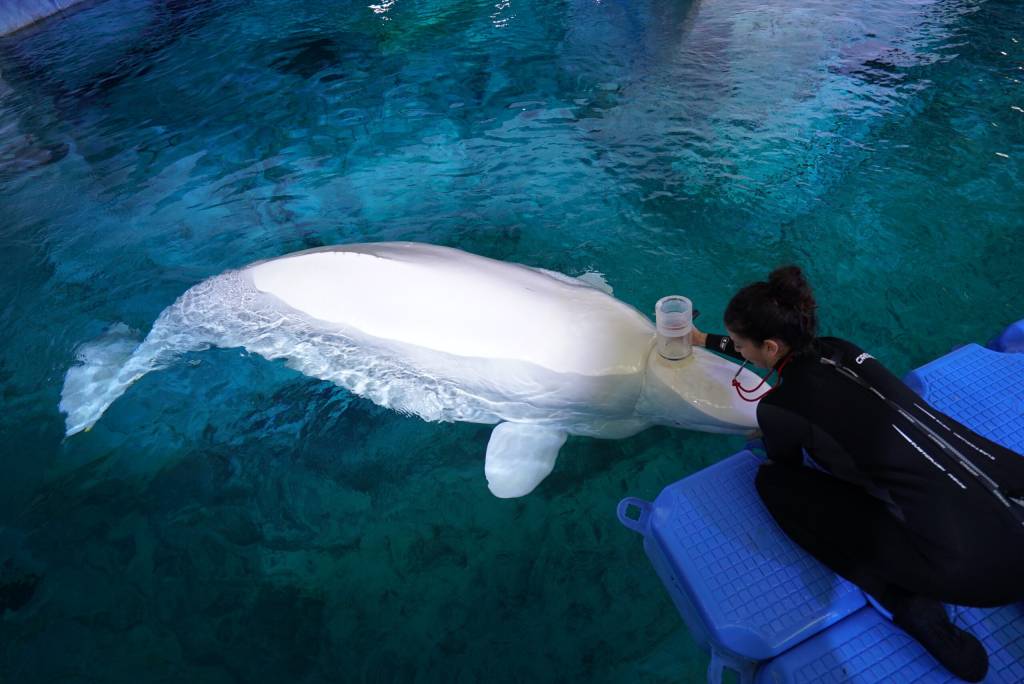
Understanding the welfare of animals living in controlled environments is the basis of the Oceanogràfic's and its Foundation's conservation strategy.
This program focuses on the development of tools that enable objective and non-invasive assessment of animal welfare, to improve the care and maintenance of the Oceanogràfic's species.
In addition, it includes the standardization of indices, both physiological and behavioral, that allow for quantification and evaluation of the status of each individual.
Developing these methodologies makes it possible for the results to be applied to wild animals, to understand the consequences of changes in the environment on the health of the species.
The program is carried out in collaboration with the Zoo Animal Welfare Education Centre specialist group of the Faculty of Veterinary Medicine of the Universitat Autònoma de Barcelona.
Lines
-
Define behavioral indicators of animal welfare for aquatic animals
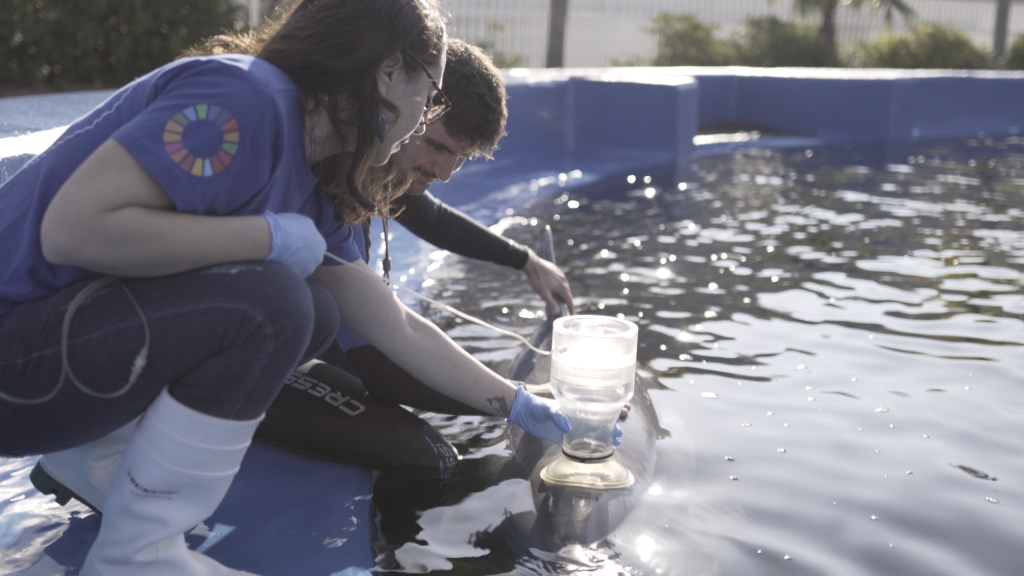
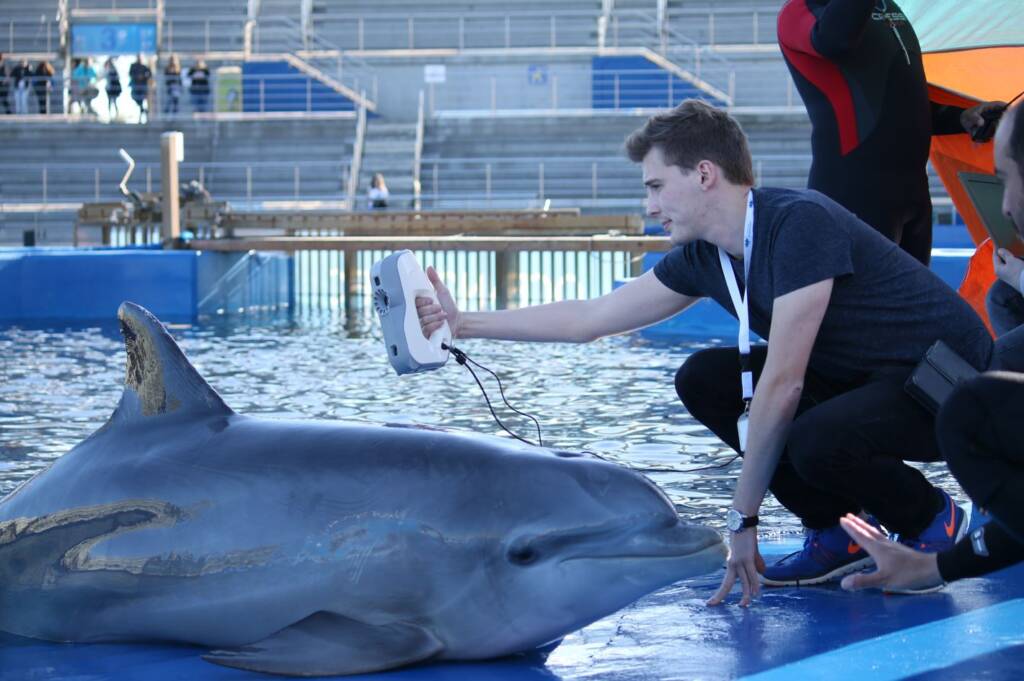
Within animal welfare, assessment has predominantly depended on physiological factors, although these methods can induce stress. Therefore, behavioral observation, although more subjective, could be a non-invasive and efficient tool for measuring this welfare.
This line of research seeks to expand the understanding of animal welfare through two main approaches:
⦁ The study of immunological function
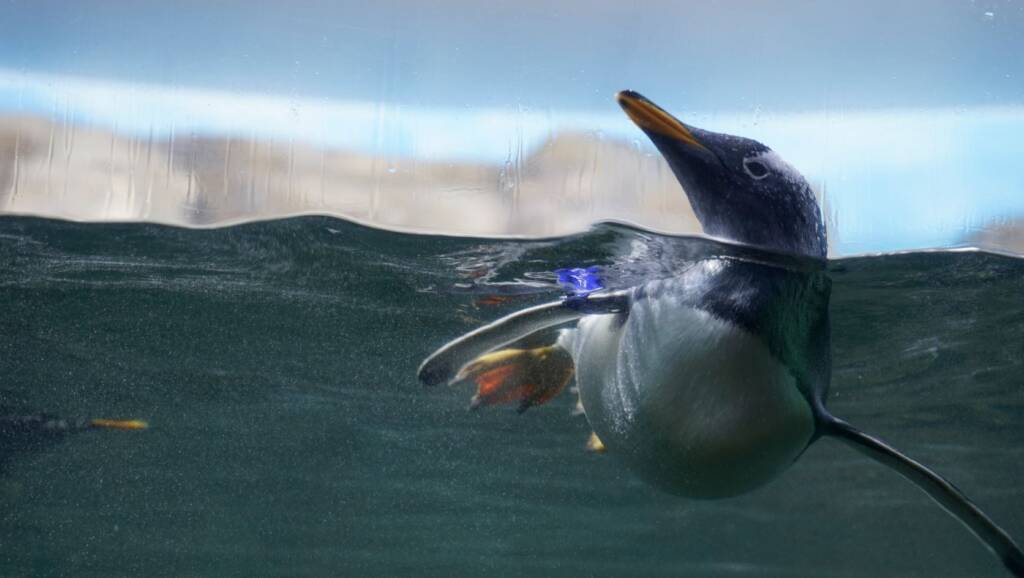
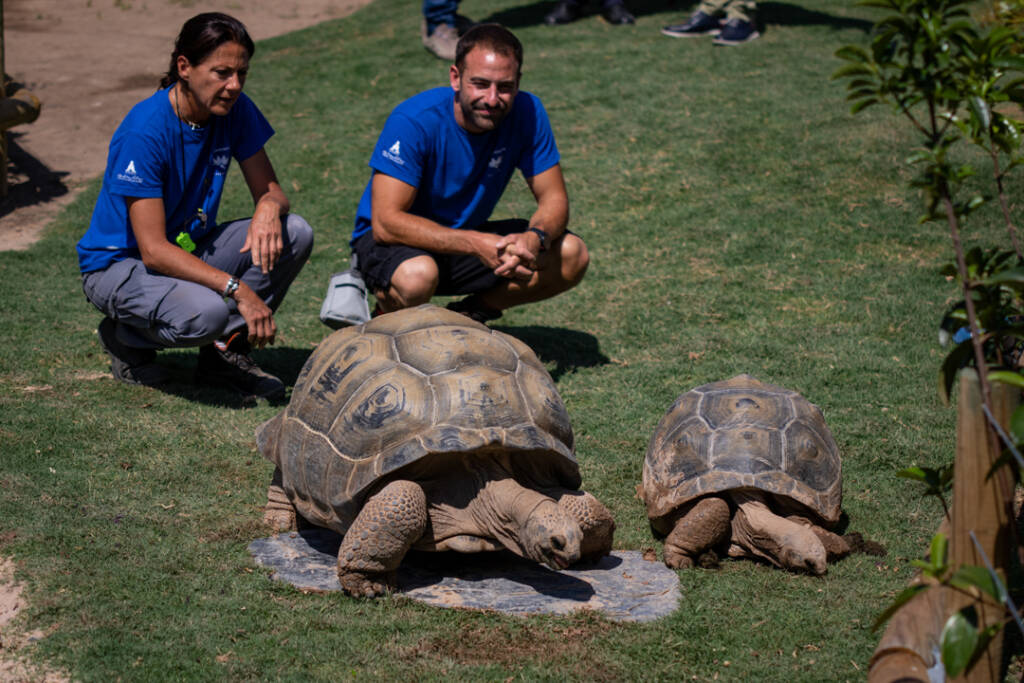
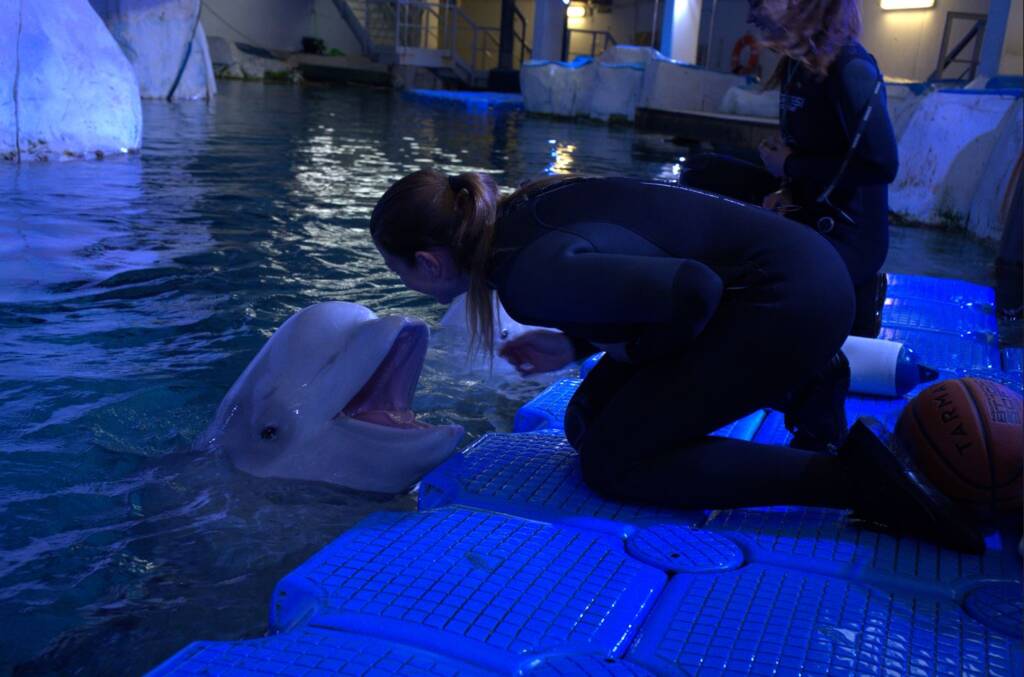
⦁ Observing the behavior of species in the Oceanogràfic to transform these observations into quantifiable indices.Behavioral studies are carried out through various methodologies, from observation to recordings and motion sensors to quantify behaviors. Behavioral diversity is explored, and “identity signals” of welfare are sought, investigating factors that may affect it. These data are compared with physiological parameters obtained through veterinary monitoring to establish significant correlations. This approach allows for the diagnosis of alterations in the species, avoiding the need to take more invasive samples.
-
Use of different measurements to analyze steroid hormone levels in marine mammals
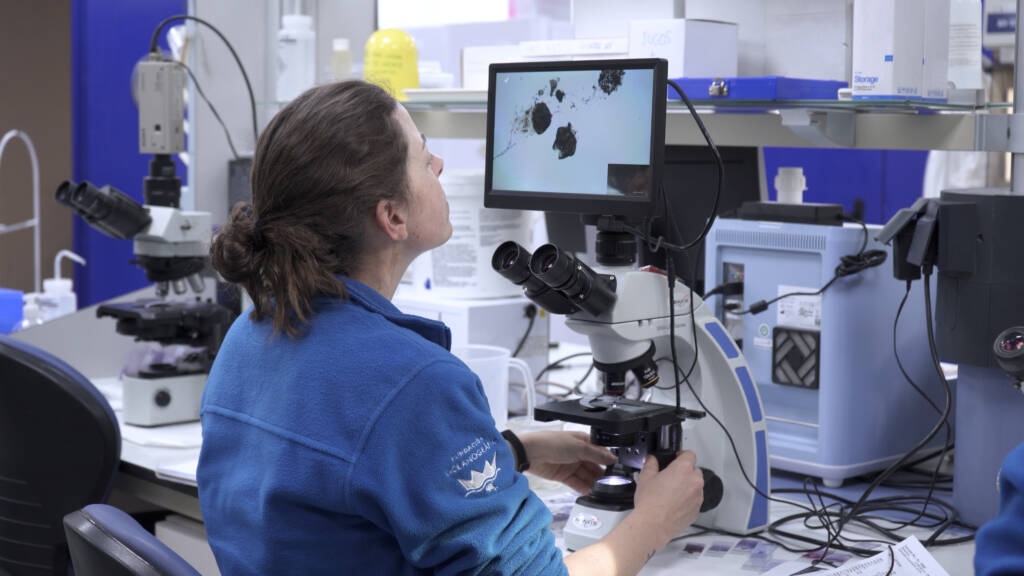
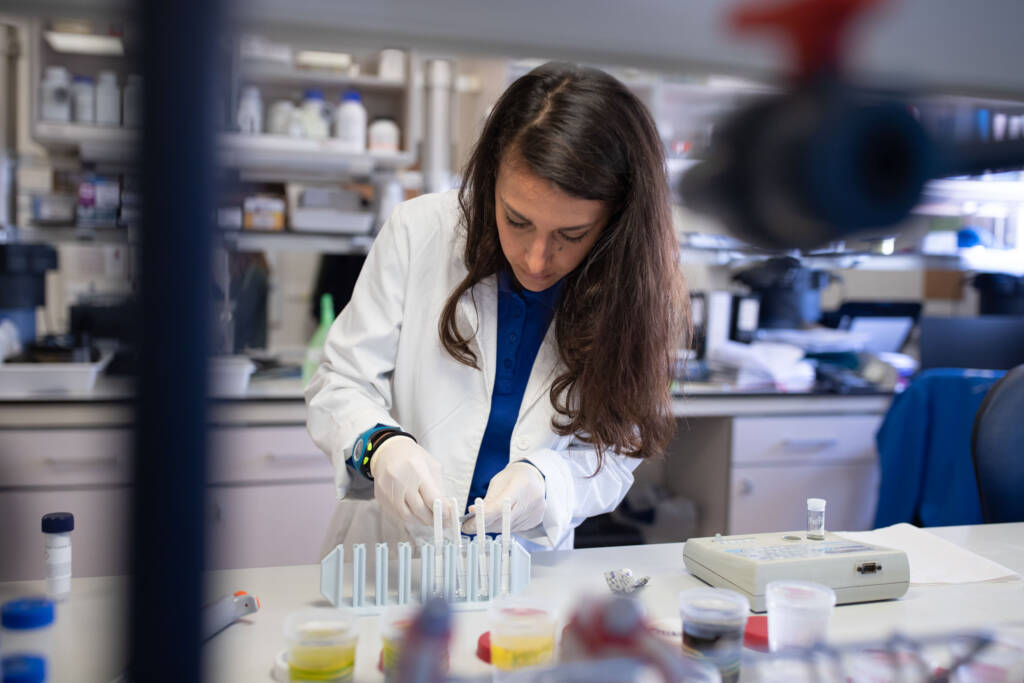
Animal welfare assessment is often performed using physiological indicators, usually by measuring parameters in the animals’ blood. However, taking blood samples can cause stress in some species and is difficult to apply in the wild. Steroid hormones are commonly used markers to determine stressful states in various species, accumulating in mineralized and keratinized tissues.
Identifying these hormones in tissues can offer information about stress levels in animals over time, allowing for chronic evaluation.
This line of research seeks to develop alternative approaches for calculating analytical indicators related to stress that do not involve the use of blood.
Based on previous research, this measurement could be carried out in tissues such as hair, vibrissae in pinnipeds, skin and baleen in cetaceans, carapace scutes in sea turtles, or feathers in birds.
The development of these protocols allows for retrospective studies of possible events linked to stress in wild populations, both in live animals and in samples preserved in museums for decades or even centuries.
Other programs Research
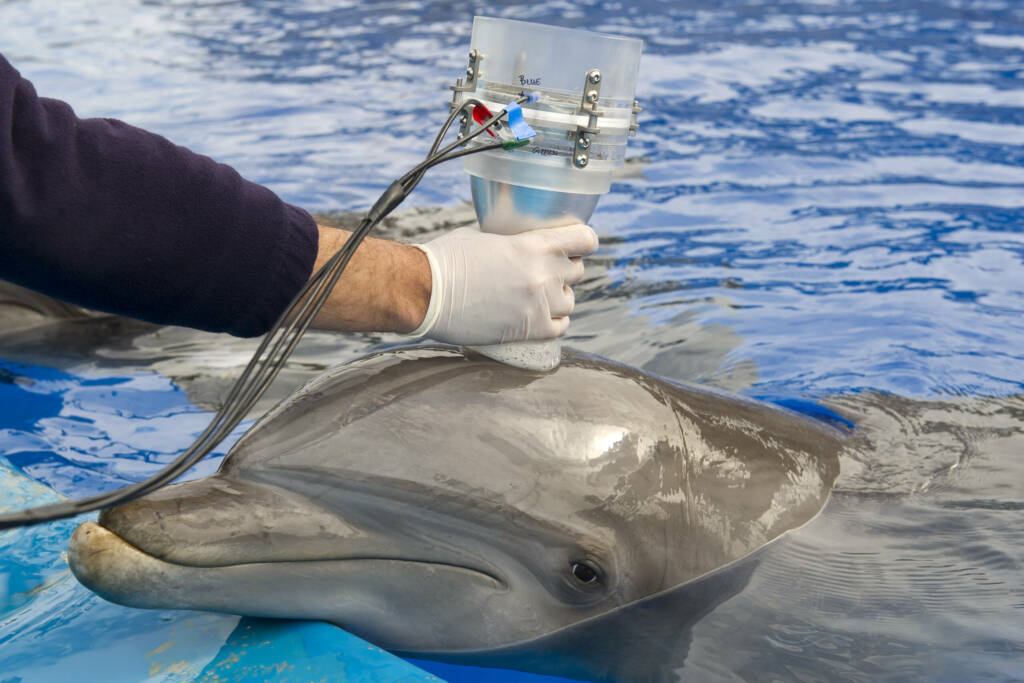
Physiology of Marine Vertebrates
Physiology of Marine Vertebrates
Understand how marine mammals respond to extreme environments and changes in their environment. Crucial information to…
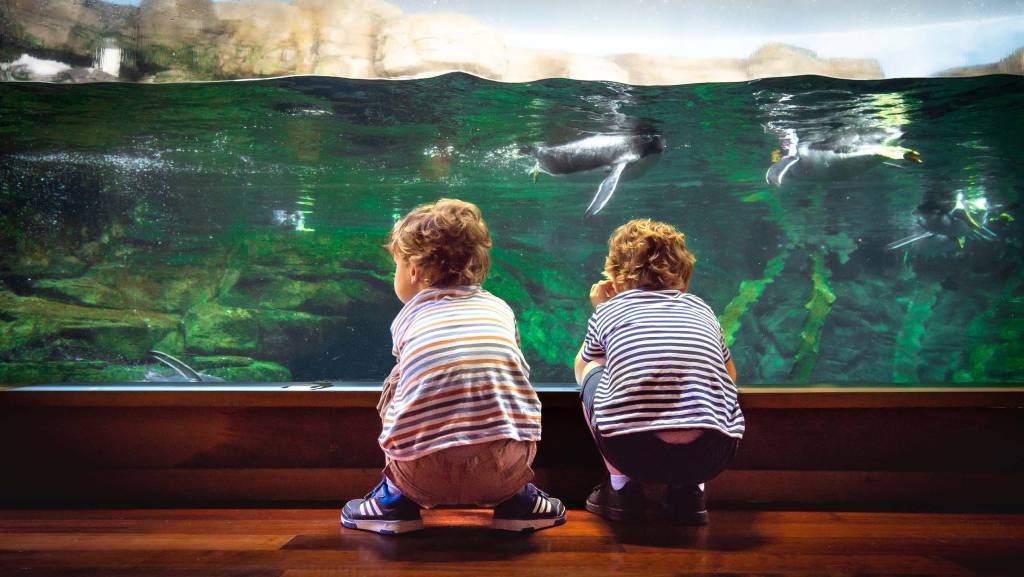
Biodiversity and Society
Biodiversity and Society
Connecting marine biodiversity with society, using the Oceanogràfic of the Ciutat de les Arts i les…
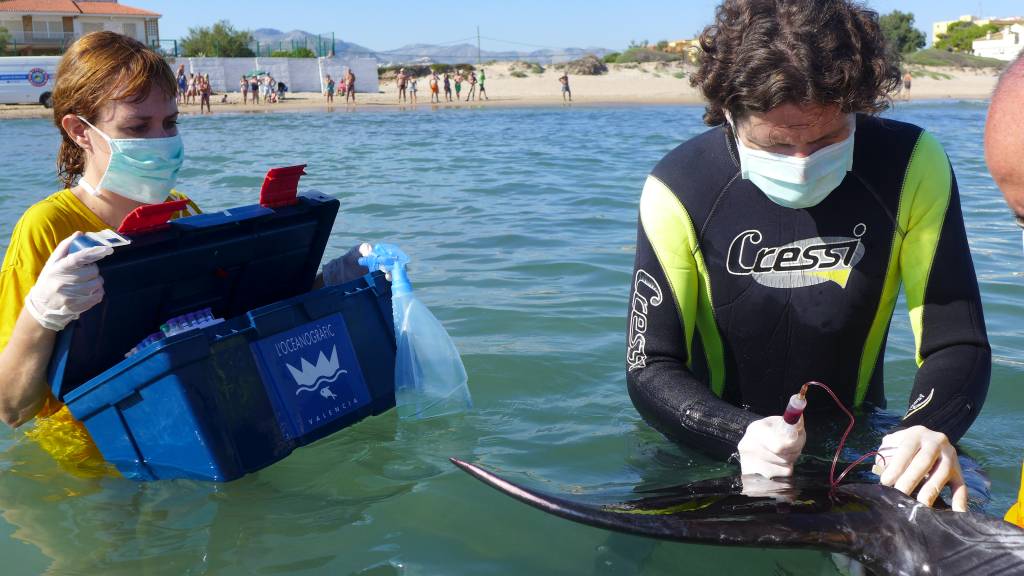
Research in Marine Health
Research in Marine Health
Working to understand and strengthen the health of marine populations. Through the Stranding Network of the…
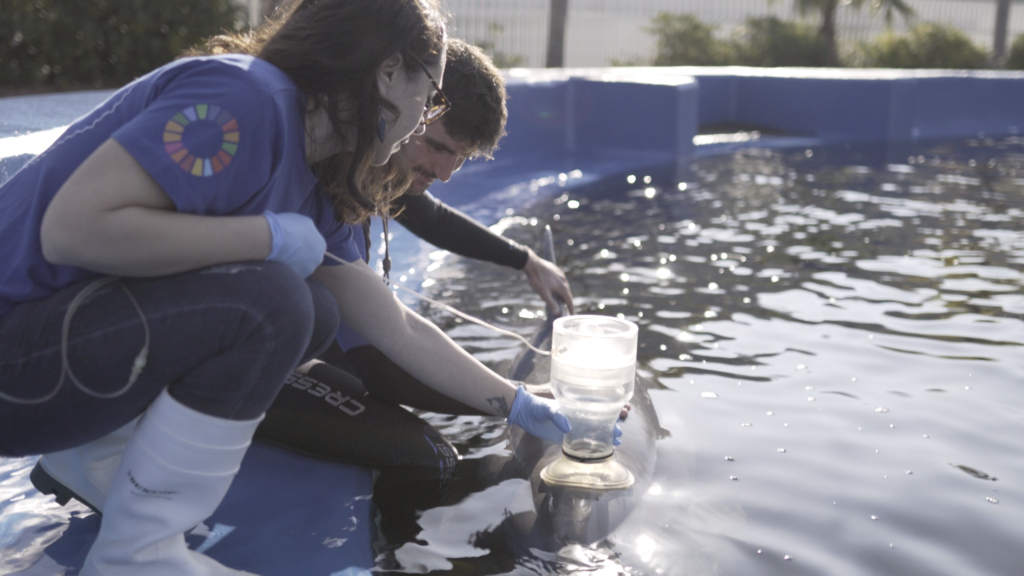
Environmental Monitoring and Restoration
Environmental Monitoring and Restoration
Study and monitoring of marine species and habitats that are of interest for conservation This program…