
Physiology of Marine Vertebrates
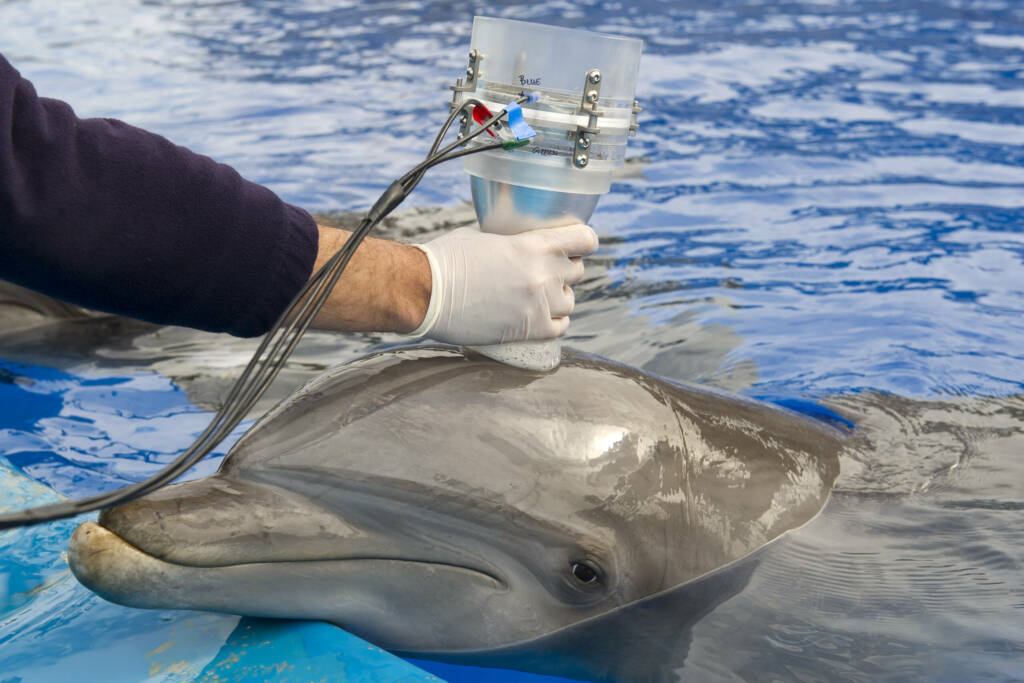
Understand how marine mammals respond to extreme environments and changes in their environment.
Crucial information to foresee their limitations in the face of environmental impacts.
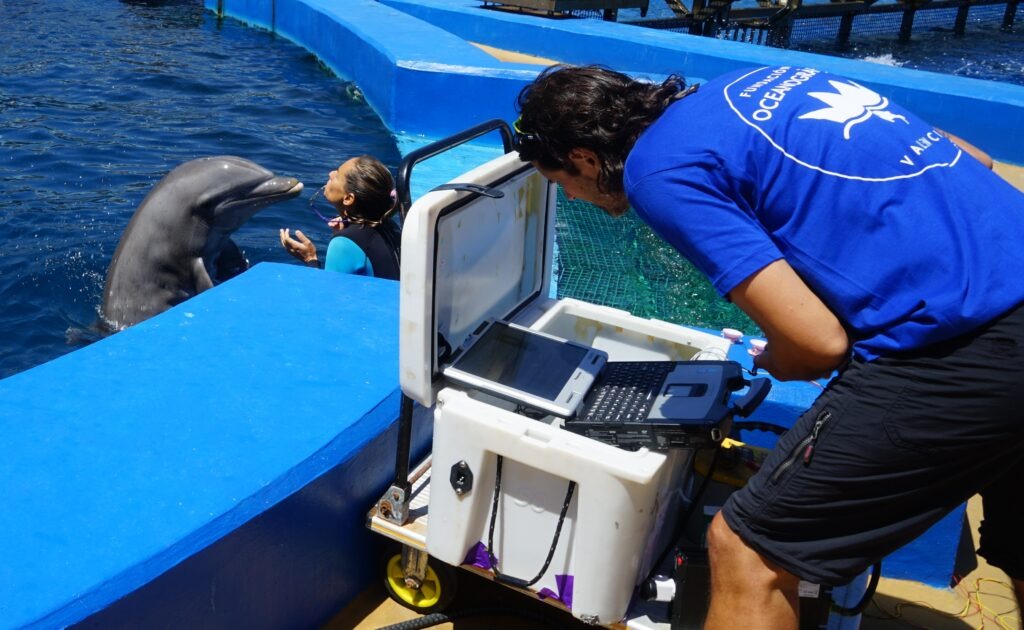
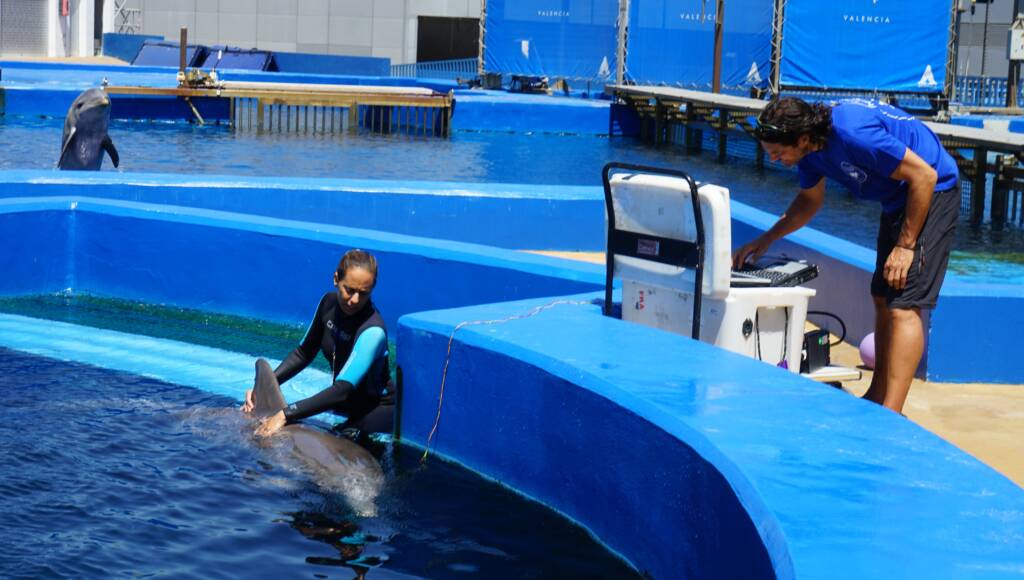
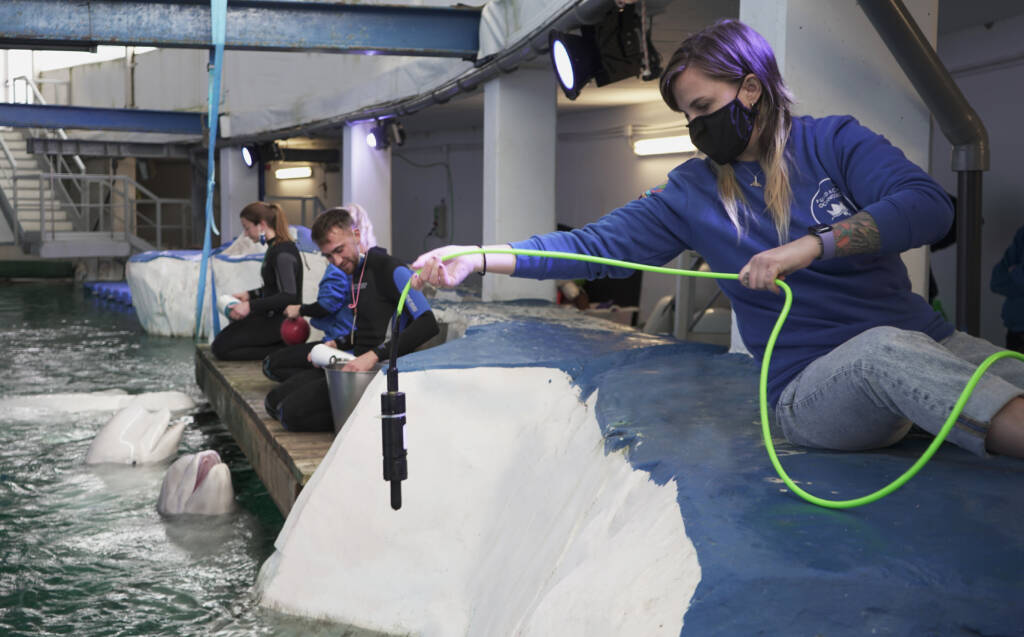
Led by Dr. Andreas Fahlman, this program works with desensitized and trained animals to voluntarily perform research procedures.
This approach allows the collection of physiological data without stressful factors, which provides invaluable information. In addition, thanks to technological innovation, novel methods have been developed that allow obtaining and understanding this physiological data, directly applicable in the natural environment.
Lines
-
Energetics and cardiorespiratory physiology of marine vertebrates
The health of marine animals is studied to understand how they respond to their environment.
In this research on the energy and cardiorespiratory health of marine vertebrates, the Oceanogràfic Foundation works with trained animals, taking care of their well-being above all else.
Their lung capacity and cardiac function are measured while they dive to understand how they use energy. This data helps predict their reaction to changes, such as warming sea temperatures.
Phenomena such as strandings are also studied. To do this, innovative methods are used, adapting human techniques such as echocardiography. The aim is to apply these findings to protect these animals in their natural environment.
-
Ex situ acoustic studies
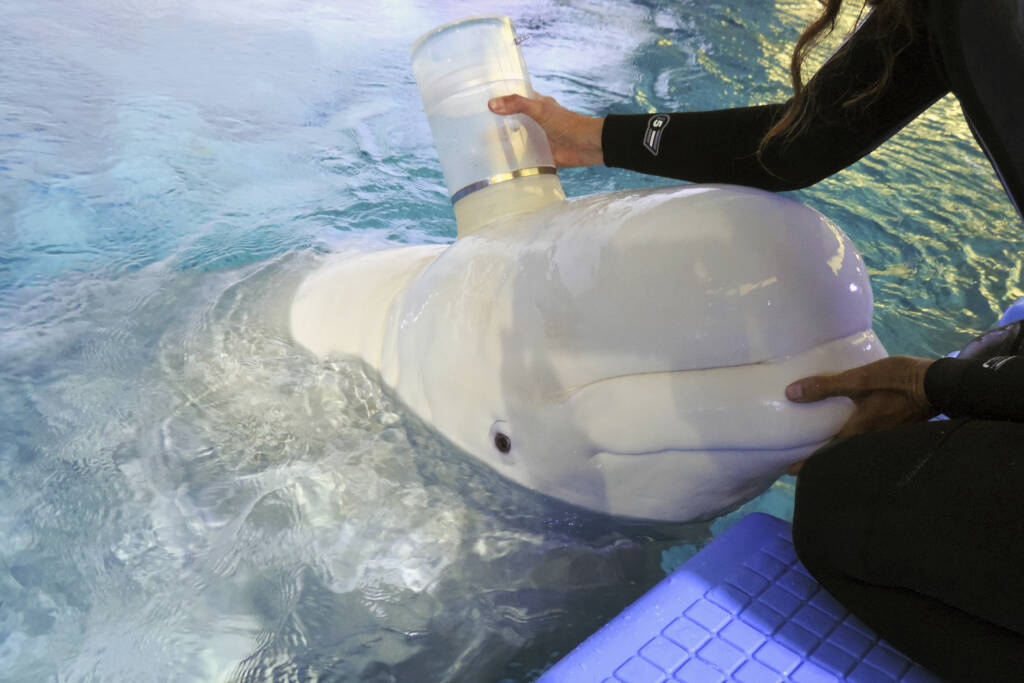
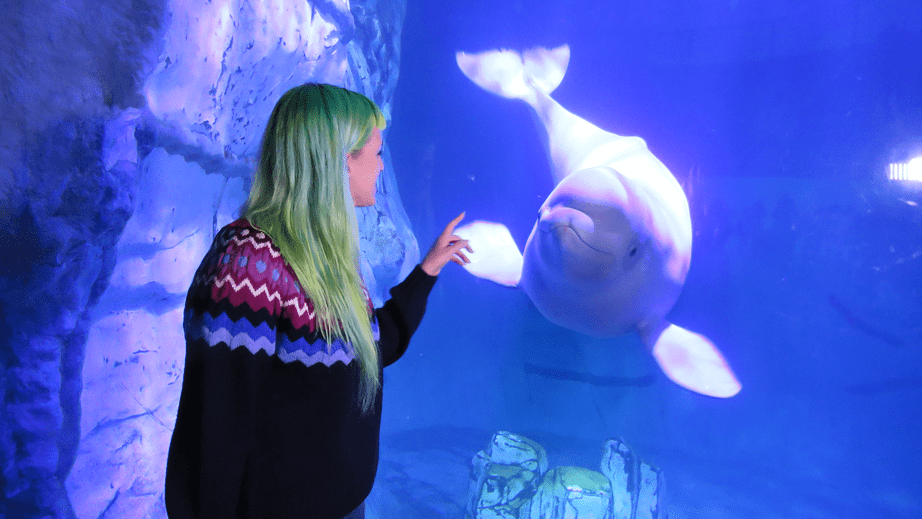
This line of action focuses on the communication of marine vertebrates, focusing on cetaceans and other animals that use sound to relate.
These studies seek to understand how they generate and capture sounds, exploring fundamental neurological connections. The frequency ranges used are also evaluated, which are essential to understanding their behavior and addressing the impact of human noise in the ocean.
In addition, communication between cetacean calves and their mothers in the early stages of life is investigated, shedding light on how noise can affect the survival of the calves.
Advanced technologies, such as functional magnetic resonance imaging and hydrophones, are used to reveal the sounds emitted by the species.
-
Sanitary status; fieldwork; rehabilitation
This line of research focuses on obtaining scientific data to understand the health of certain marine populations.
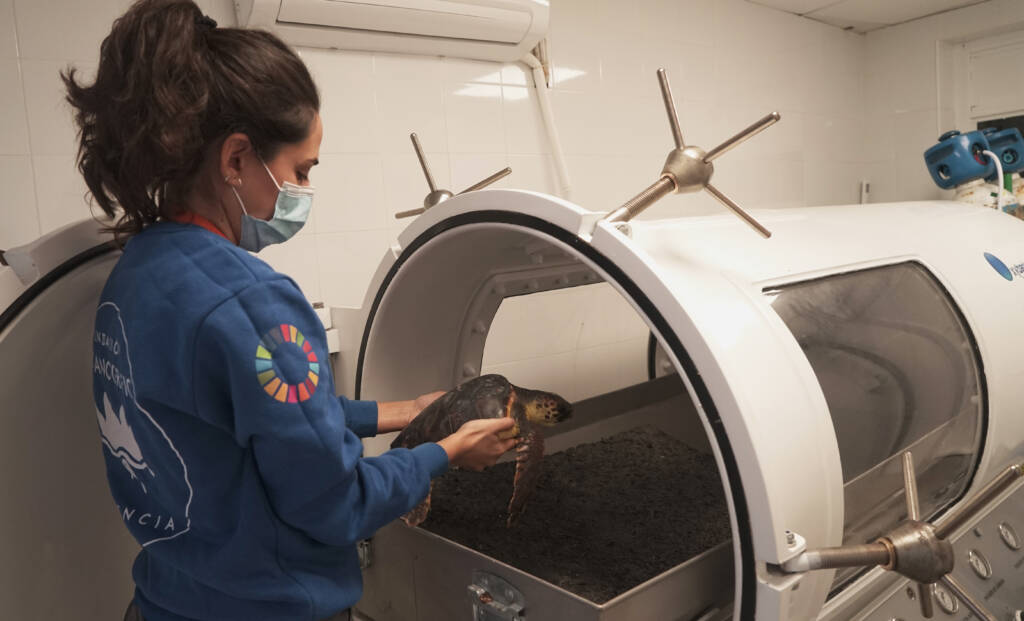
Among the objectives, it explores the impact of diseases such as decompression sickness (DCS) in sea turtles, a challenge identified after accidental interactions with fisheries.
Similarly, the health of easily accessible marine mammals is monitored. This action is carried out in collaboration with institutions such as the Chicago Zoological Society, contributing to the monitoring of the bottlenose dolphin population in Sarasota Bay.
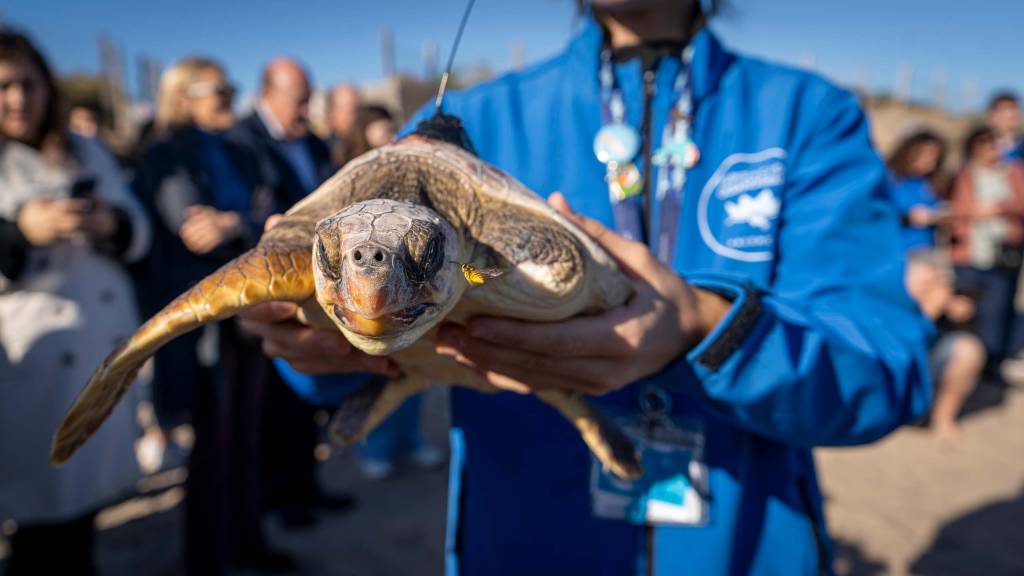
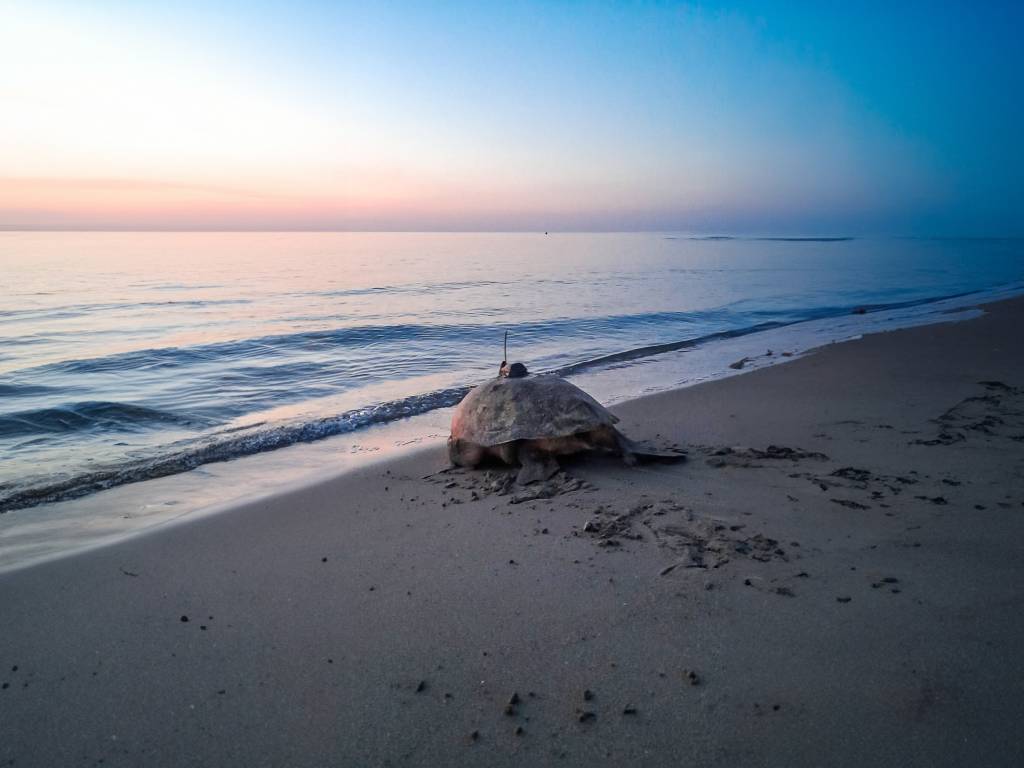
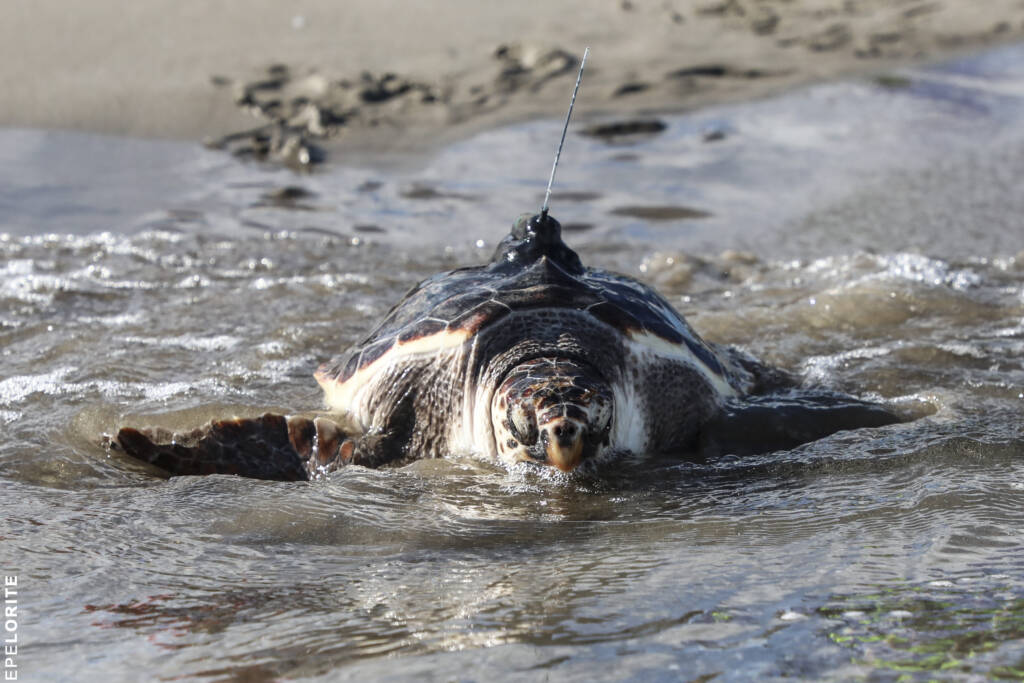
The third objective focuses on evaluating the recovery of rehabilitated animals, using satellite technology to monitor their evolution after being released. Projects such as the monitoring of amputated sea turtles and the study of the survival of river dolphins in the Tiputini reserve (Ecuador) are examples of the Oceanogràfic’s dedication to understanding and improving marine health.
-
Modeling work
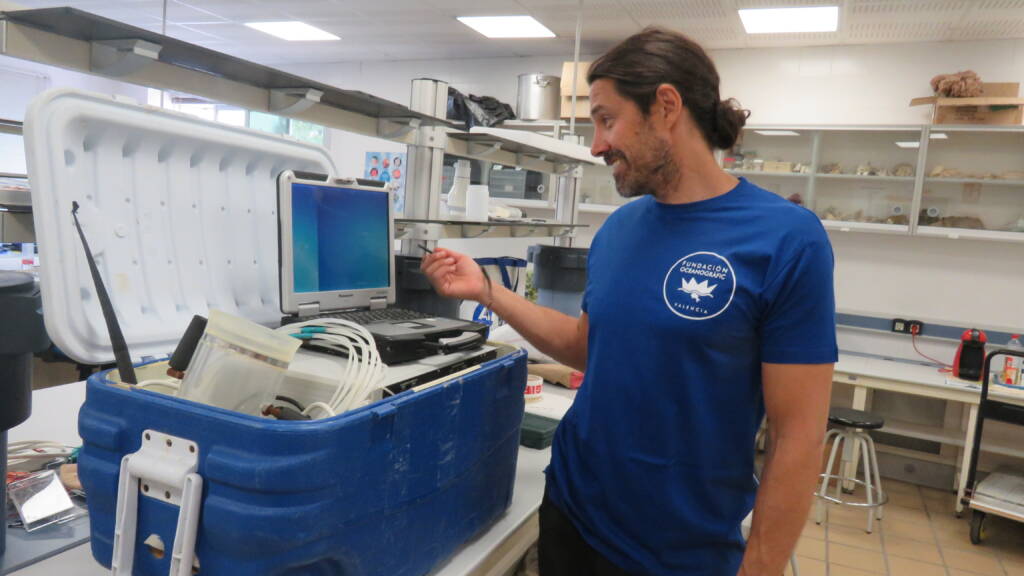
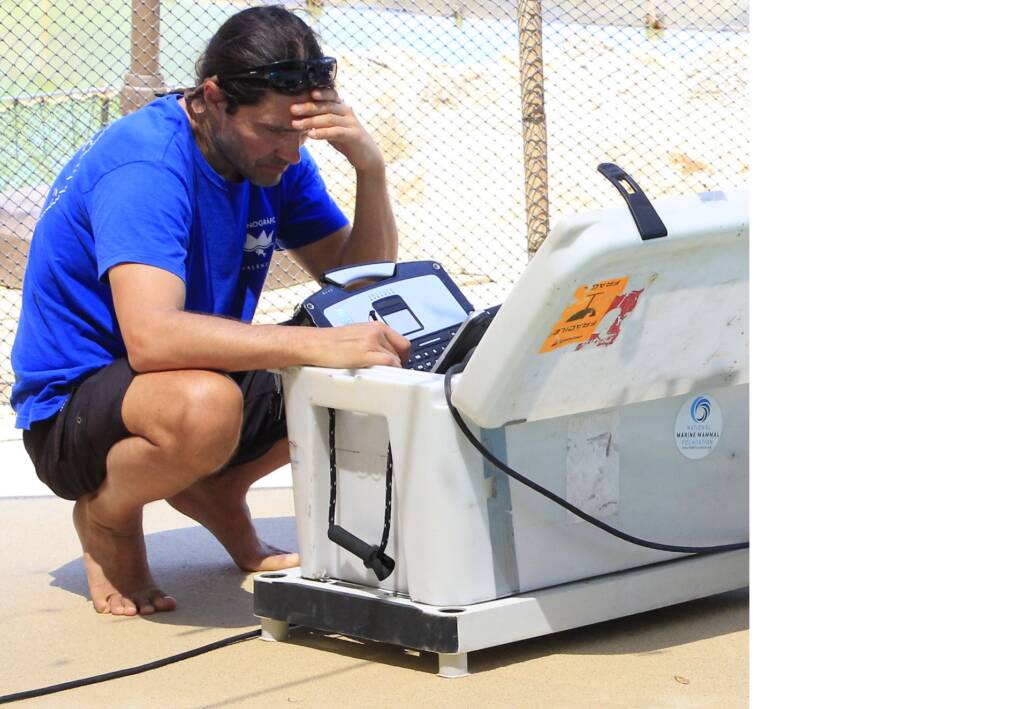
Esta línea de investigación busca aprovechar el conocimiento previo y datos recopilados en investigaciones anteriores, creando modelos matemáticos que pronostiquen las respuestas de los animales frente a cambios ambientales. Estos modelos permiten anticipar comportamientos en condiciones específicas.
Al integrar datos de diversas fuentes y líneas de investigación, el objetivo es proporcionar modelos que estimen las respuestas de mamíferos y tortugas marinas a cambios en el entorno. Estos modelos podrán dotar de herramientas predictivas para anticipar impactos ambientales o patologías, facilitando la propuesta de medidas de contingencia.
-
Other physiology studies
Esta línea de investigación abarca proyectos adicionales que exploran la fisiología de vertebrados marinos en el transcurso de los próximos años de actividad investigadora del Oceanogràfic.
Other programs Research
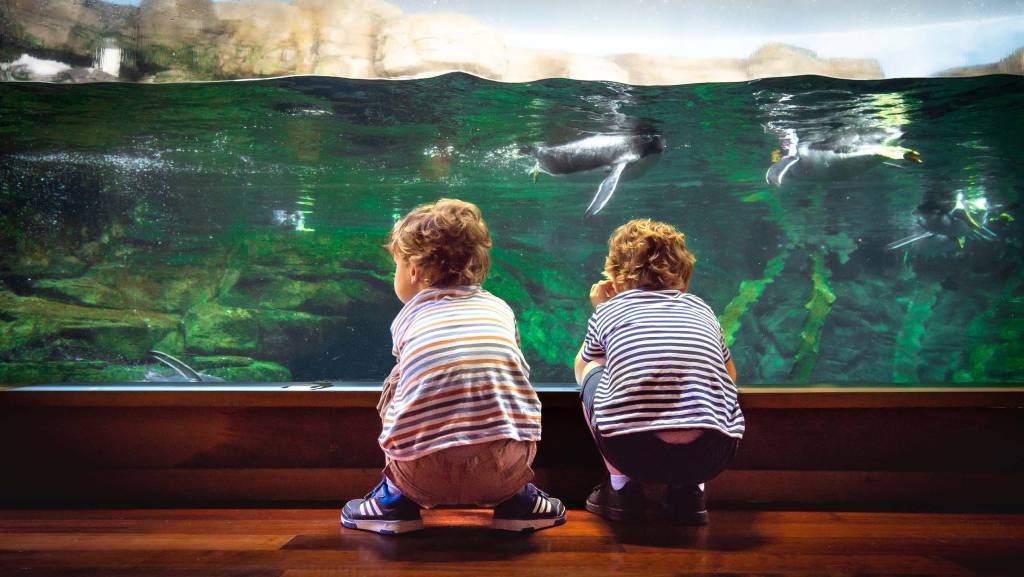
Biodiversity and Society
Biodiversity and Society
Connecting marine biodiversity with society, using the Oceanogràfic of the Ciutat de les Arts i les…
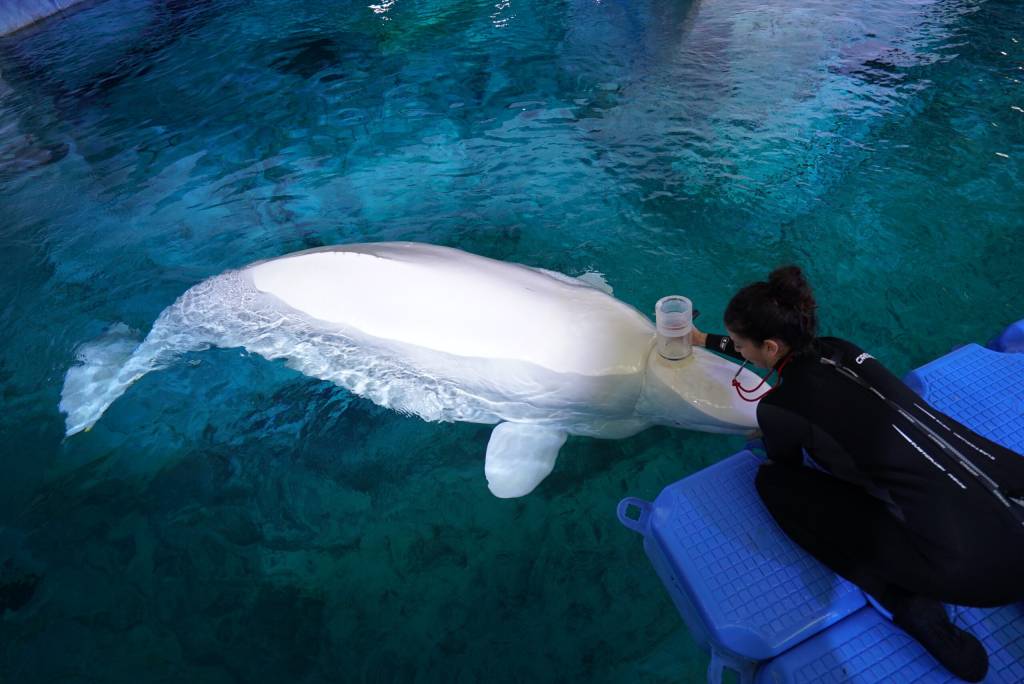
Animal Welfare
Animal Welfare
Understanding the welfare of animals living in controlled environments is the basis of the Oceanogràfic’s and…
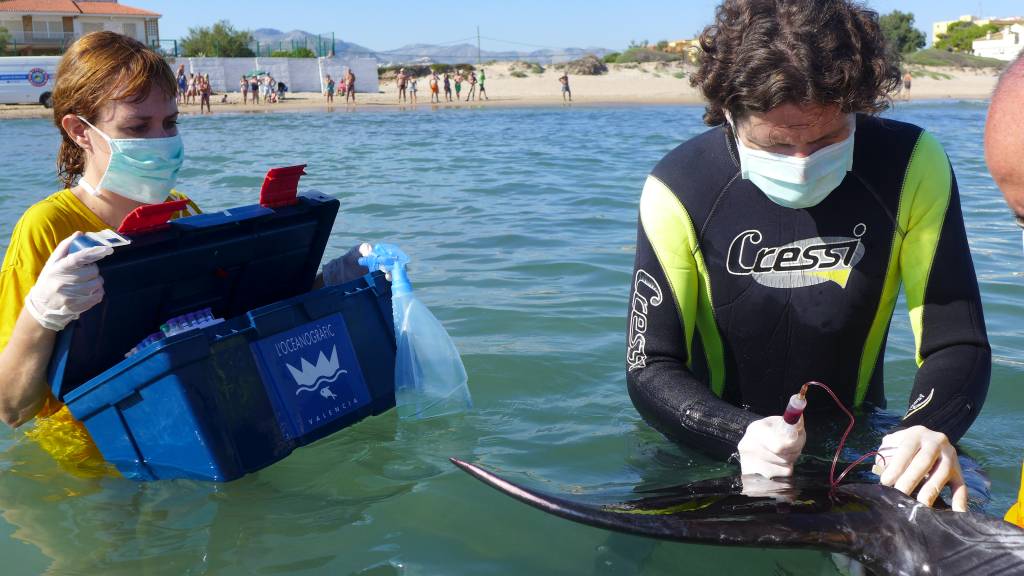
Research in Marine Health
Research in Marine Health
Working to understand and strengthen the health of marine populations. Through the Stranding Network of the…
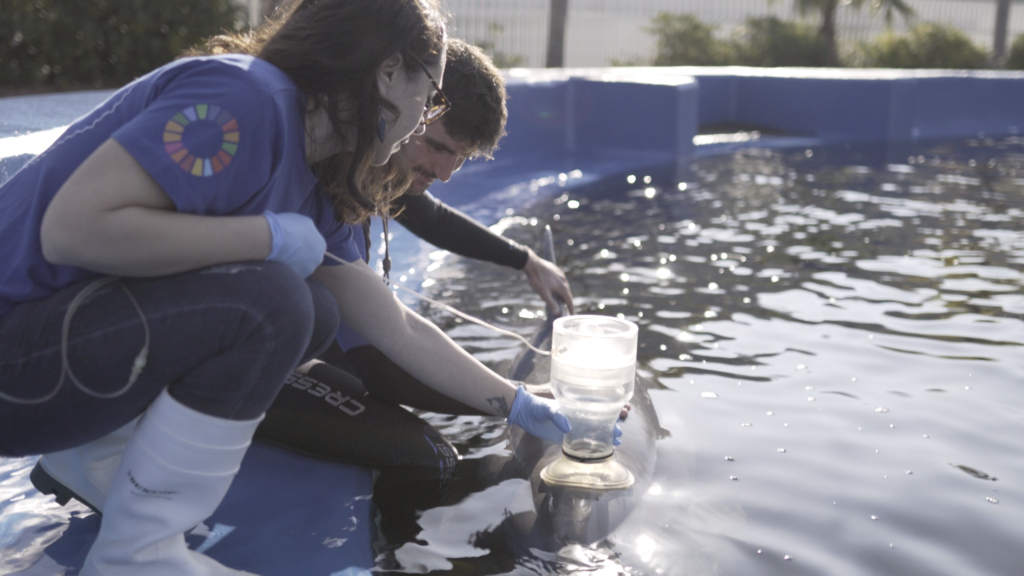
Environmental Monitoring and Restoration
Environmental Monitoring and Restoration
Study and monitoring of marine species and habitats that are of interest for conservation This program…