Environmental Monitoring and Restoration
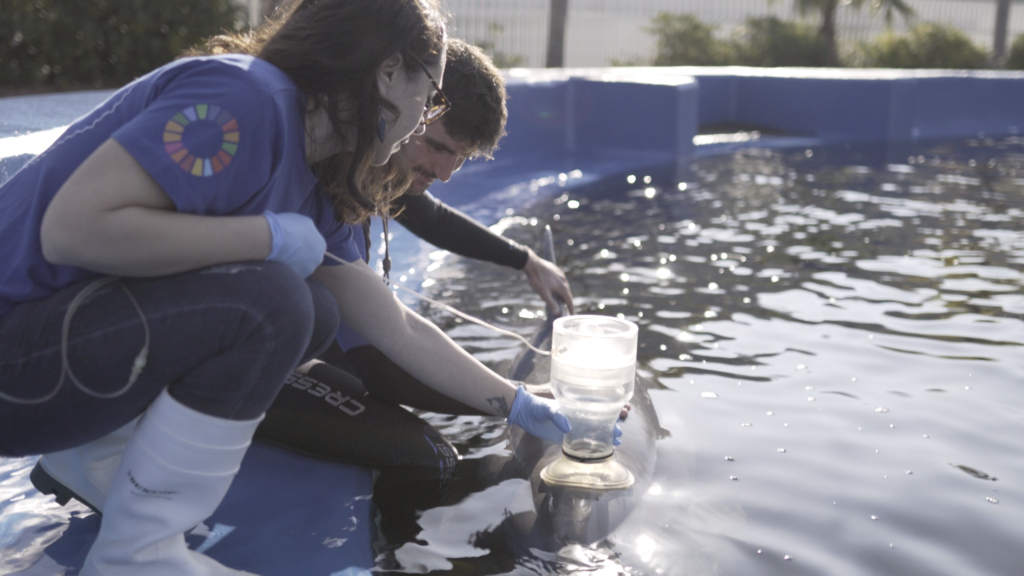
Study and monitoring of marine species and habitats that are of interest for conservation
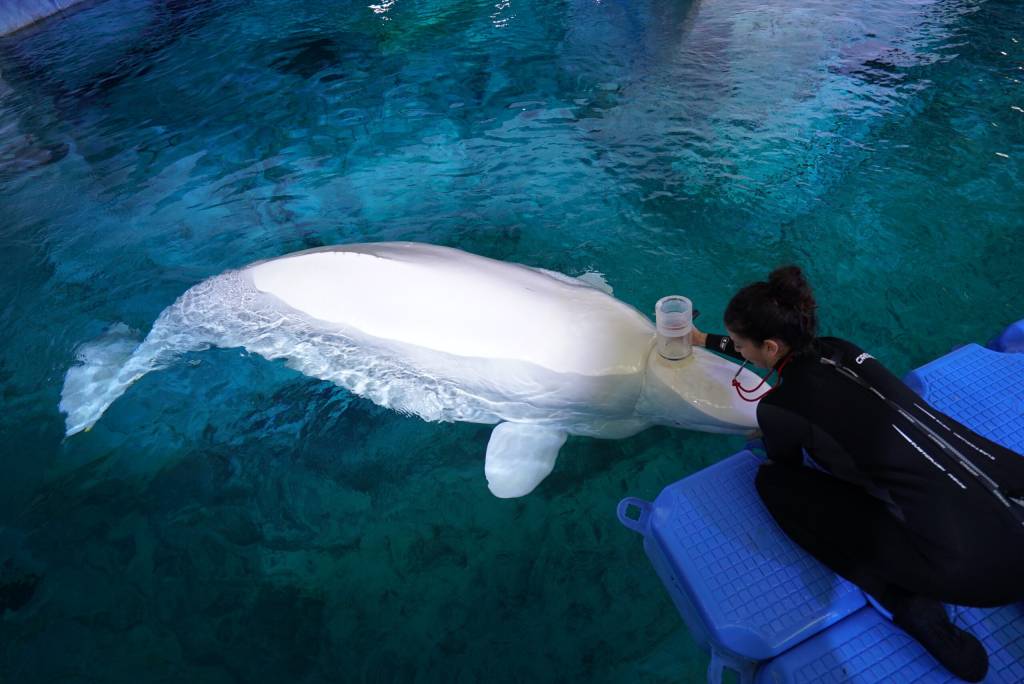
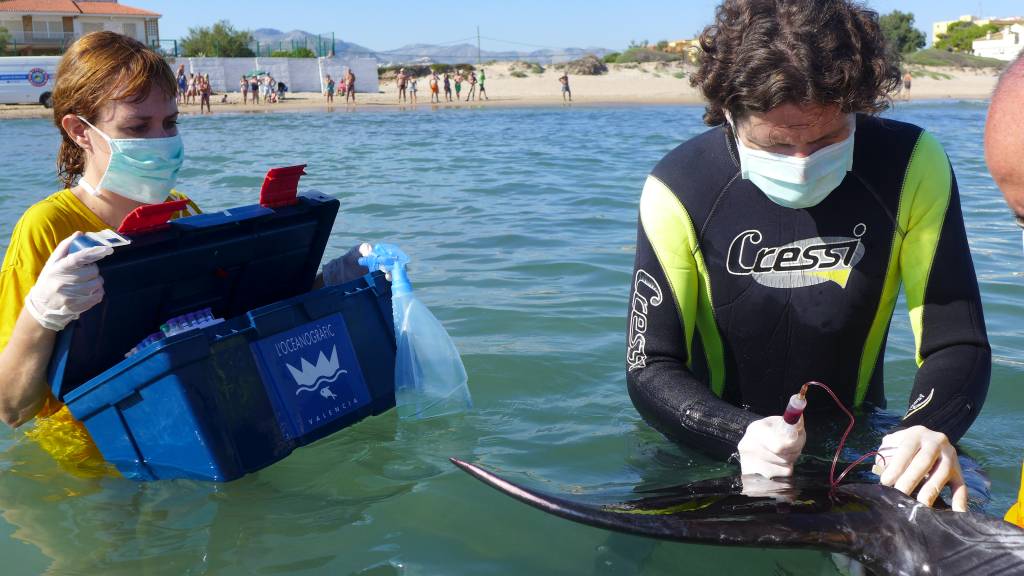
This program focuses on the development of innovative methods to help restore endangered populations. In addition, remote ecosystems are studied using specialized techniques, allowing detailed monitoring of populations and collecting valuable information on how species interact in their natural environment.
This work also includes constant monitoring of ecosystems to understand and preserve their health.
The development of these methods seeks to contribute significantly to the protection of the Planet's biodiversity.
Lines
-
Assisted reproduction
Assisted reproduction of endangered species can be an effective tool for the recovery of populations at risk.
This line of research focuses on improving the understanding of species reproduction, establishing protocols directly applicable to assisted reproduction techniques. These studies will provide information and methods to implement breeding programs in controlled environments, either to release specimens in population reinforcement programs or to self-supply zoological centers.
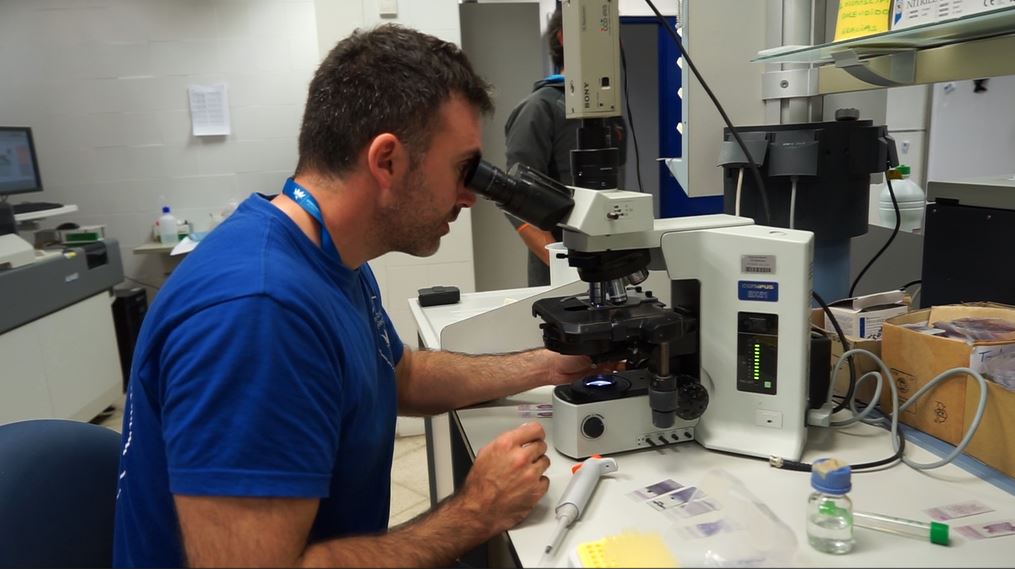
Within this line, studies will be carried out on the male reproductive system, morphology, proteomics, and evaluation of sperm viability, as well as the short- and long-term preservation of male gametes in sharks and bottlenose dolphins.
These techniques are crucial for species with limited information, allowing their application to others in critical danger and the creation of a bank of viable samples for future artificial insemination programs in controlled environments.
In addition, this line addresses the development of specific techniques to induce reproduction of the European eel, a highly threatened regional species. Successful reproduction of this species in a controlled environment could contribute to its repopulation.

-
Acoustic studies in the marine environment
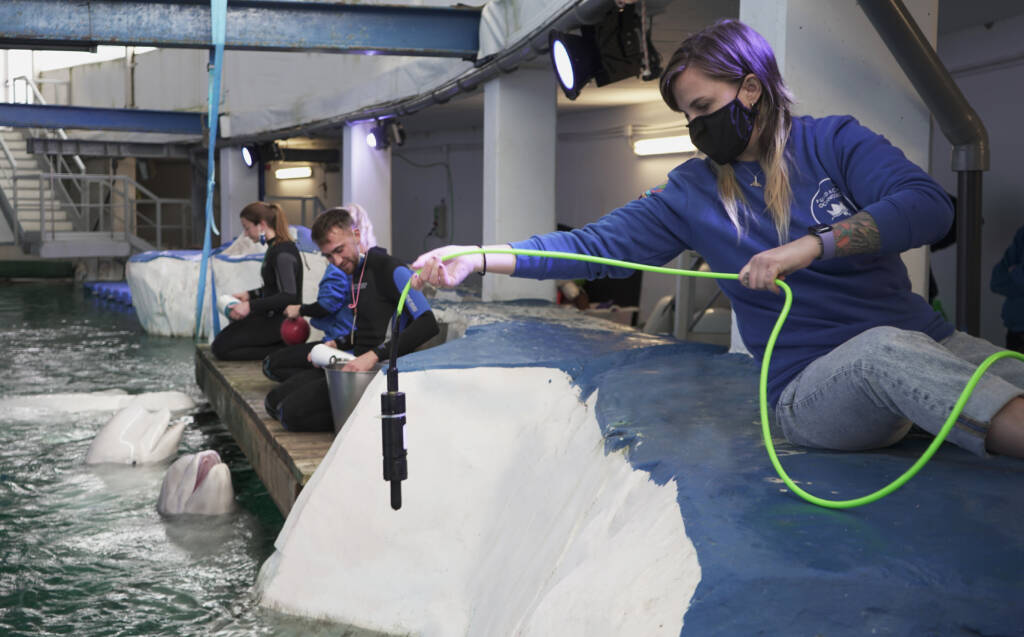
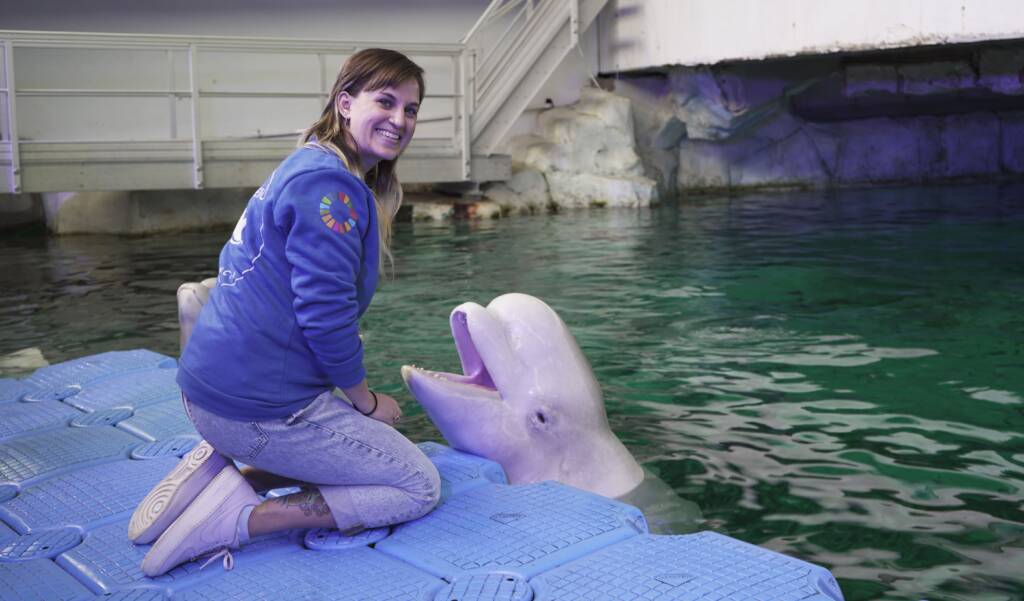
Its main objective is to apply the acoustic methods developed at the Oceanogràfic to wild populations.
Thanks to the experience in acoustics and communication studies carried out at the marine center of Valencia, this line will carry out various projects, including the detection and cataloging of species and populations in different areas of interest, the research and classification of sounds used in communication between species, and the monitoring of cetacean populations.
-
Monitoring species in the wild
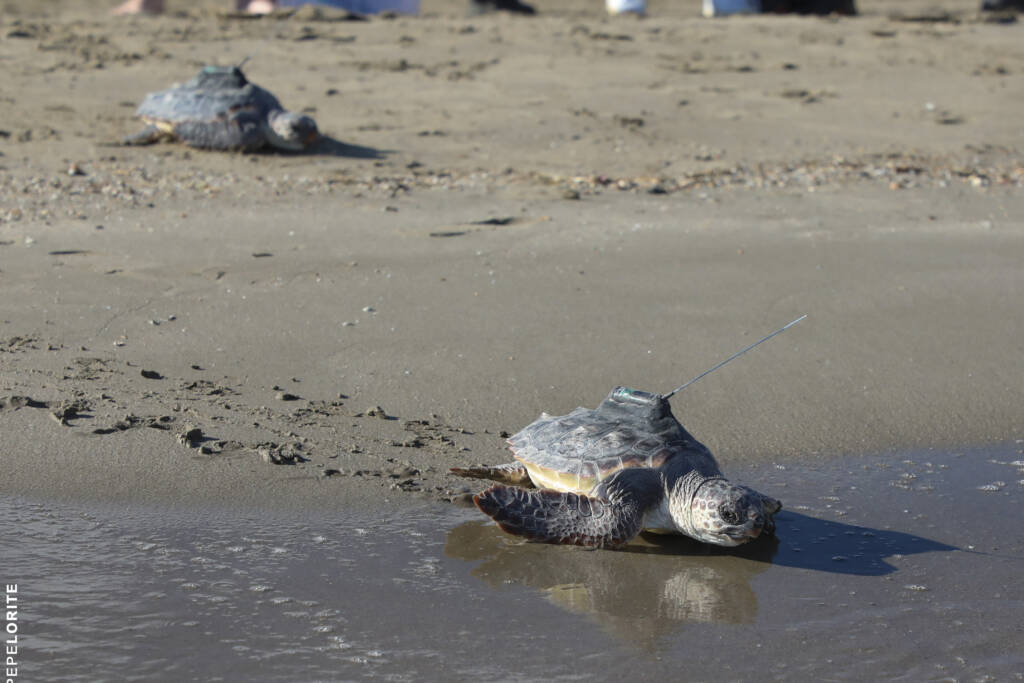
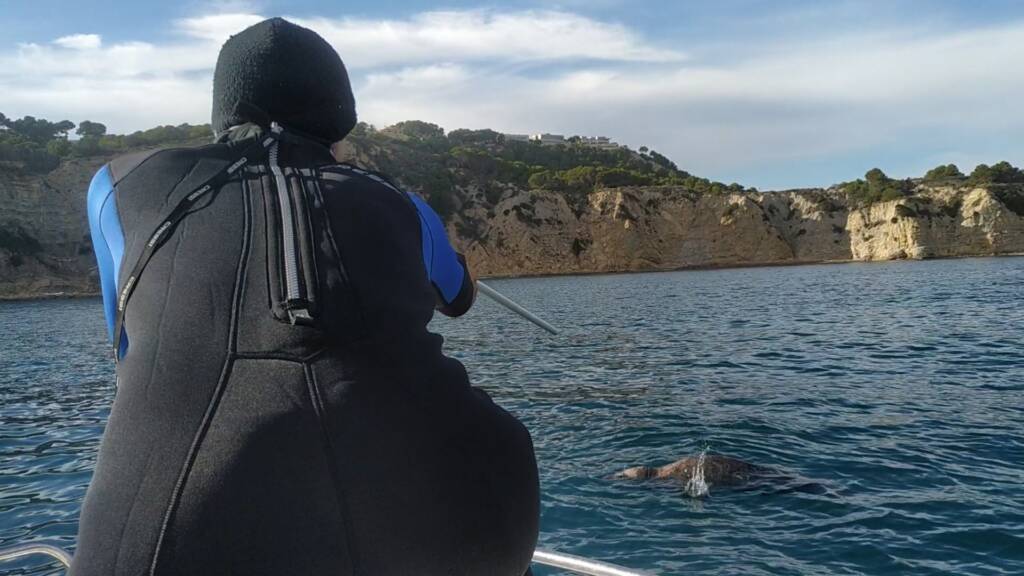
This line aims to monitor the presence, behavior, and movements of species in their natural environment.
This information is essential to implement impact mitigation measures and improve protection and conservation programs.
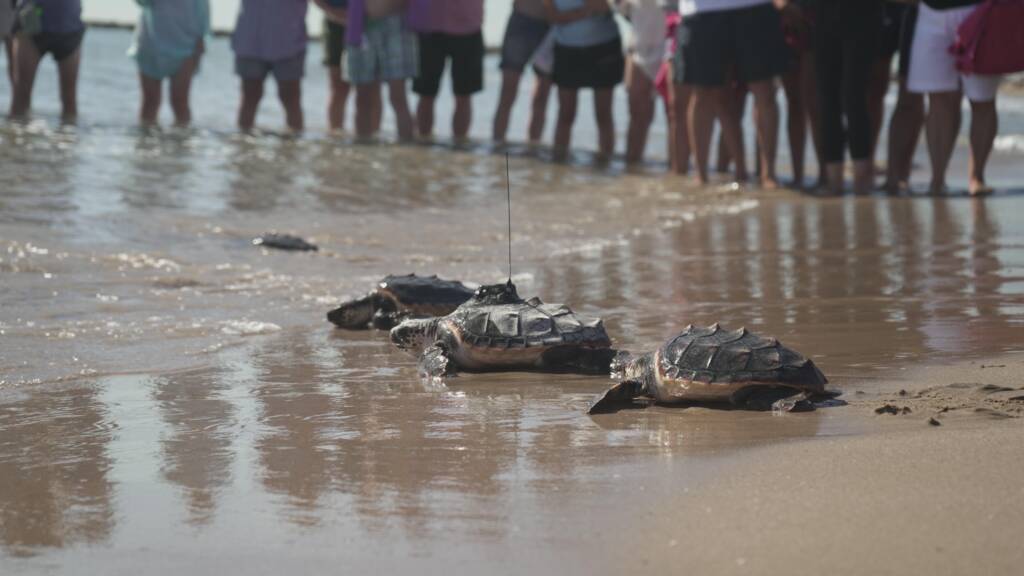
The use of technologies such as hydrophones and satellite tags allows detecting and establishing migratory patterns, movements, and feeding behaviors of certain species. In addition, taking samples through biopsies provides genetic information, hormone levels, and health status.
-
Other studies applied to conservation
Esta línea abarca proyectos centrados en crear metodologías para explorar hábitats con información limitada y estudiar parámetros de ecosistemas marinos y oceánicos de especial relevancia para la conservación.
Un ejemplo es el objetivo de desarrollar una técnica de exploración remota para captar imágenes de la biodiversidad en las profundidades del océano. Esto permitirá ampliar el conocimiento sobre las comunidades biológicas en el ecosistema marino.
Además, se evalúa cómo influye la acidificación del agua en los ecosistemas, observando el crecimiento de organismos invertebrados que producen carbonato de calcio durante su desarrollo. Se emplearán radiotrazadores para medir el desarrollo y crecimiento de estos organismos de manera no destructiva. Este estudio cobra especial relevancia en el contexto de cambio climático y el deterioro de los ecosistemas marinos a nivel nacional e internacional.
Además, aborda las preferencias alimenticias de la tortuga boba, un aspecto relevante para entender y conservar esta especie.
Other programs Research
Physiology of Marine Vertebrates
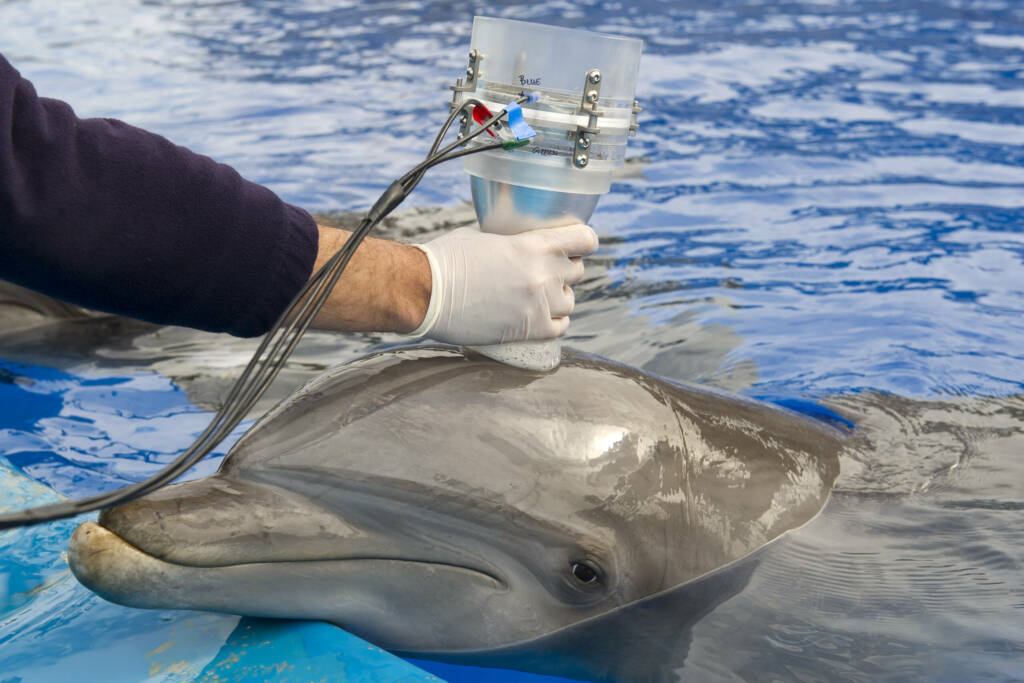
Physiology of Marine Vertebrates
Understand how marine mammals respond to extreme environments and changes in their environment. Crucial information to…
Biodiversity and Society
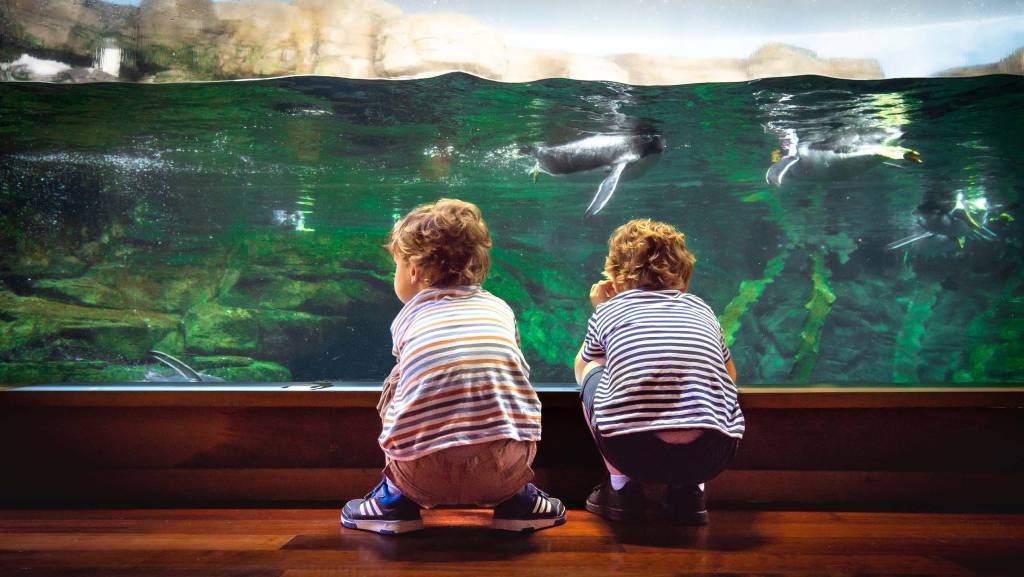
Biodiversity and Society
Connecting marine biodiversity with society, using the Oceanogràfic of the Ciutat de les Arts i les…