
Research in Marine Health
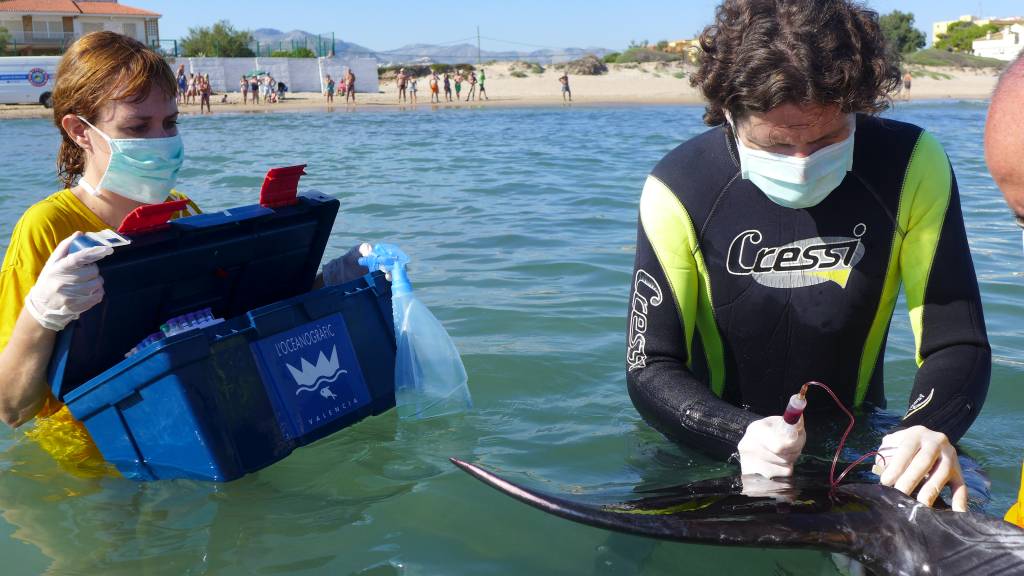
Working to understand and strengthen the health of marine populations.
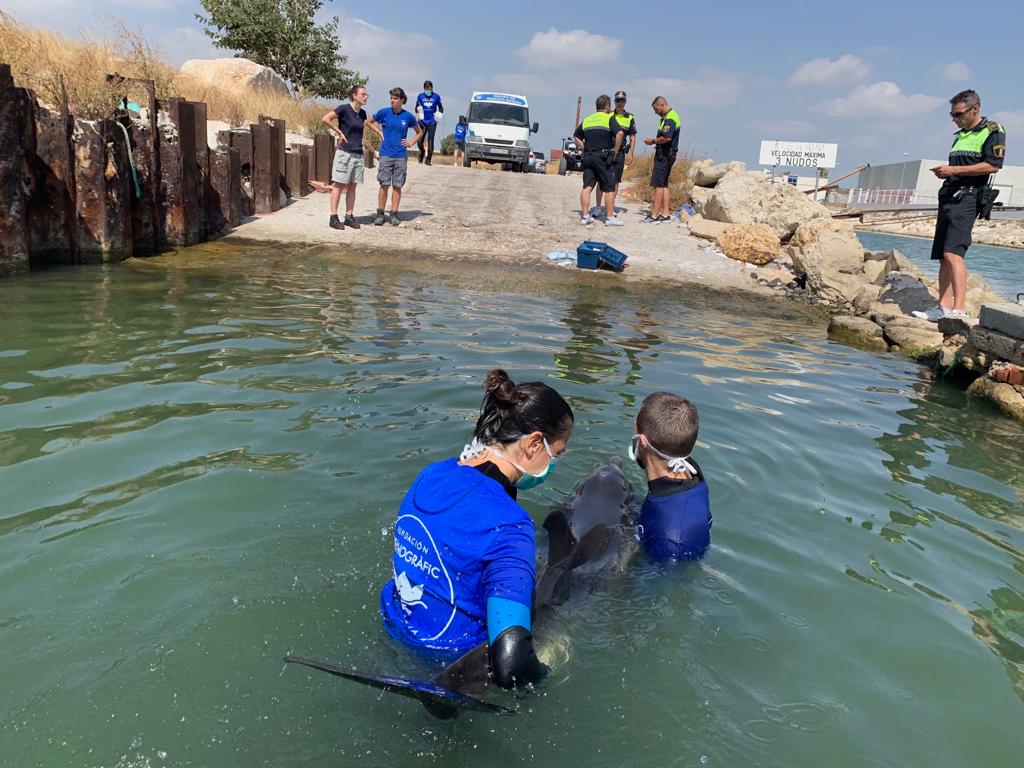
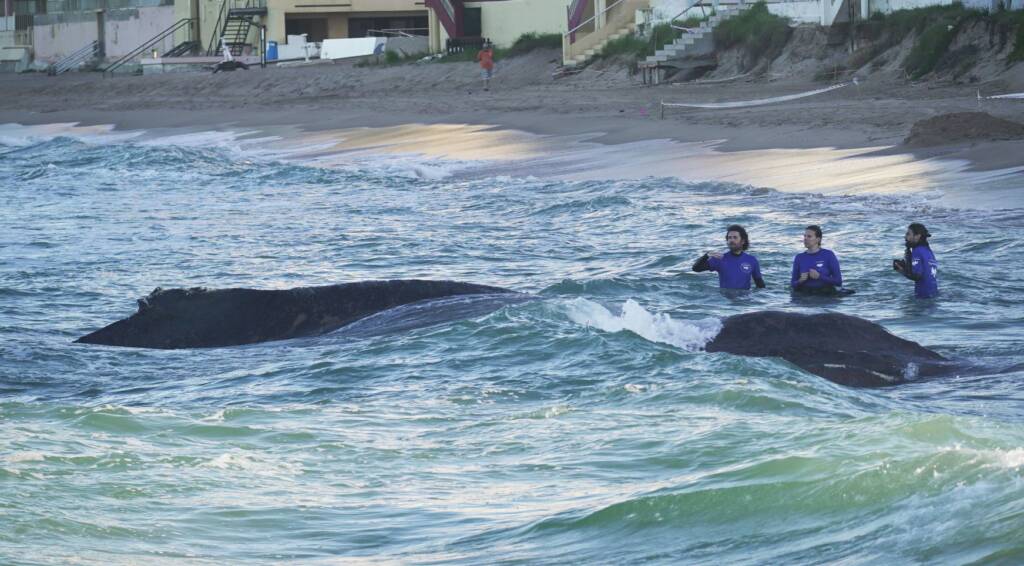
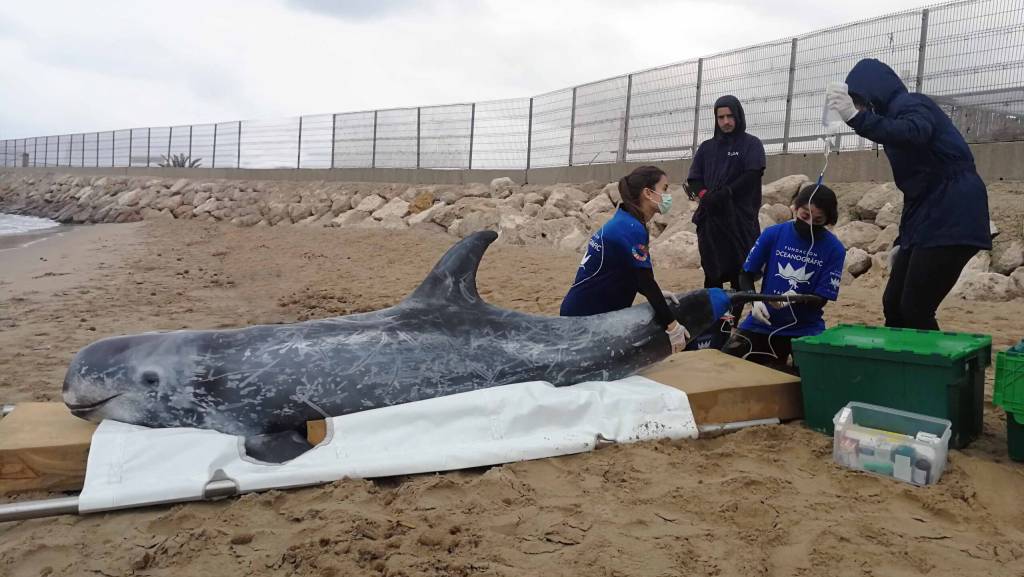
Through the Stranding Network of the Valencian Community, pathologies are analyzed in stranded animals, such as marine turtles and cetaceans, offering very valuable data and creating an information bank that allows retrospective analyses to be carried out.
This program seeks to identify the cause of diseases, understand their origin, their distribution, and the impact of threats.
In addition, the research proposes to develop techniques to detect and identify pathologies and evaluate new treatment techniques in species with little information on posology. A multidisciplinary program that has the collaboration of various research centers.
Program coordinators: Daniel García-Párraga and José Manuel Sánchez-Vizcaíno
Lines
-
Forensic medicine in marine fauna
The analysis of stranded animals, especially marine mammals and turtles, is a unique opportunity to investigate various aspects of these species.
Strandings allow us to monitor the health of populations and their evolution over time. Since marine mammals are considered sentinel species, evaluating their health provides an overview of the health of the sea.
This line of research focuses on performing and evaluating necropsies of stranded animals to determine the causes of death and carry out epidemiological studies. It mainly addresses the evaluation of animals in the Valencian Community, but also in other territories where the Oceanogràfic of Valencia’s participation is requested. In addition, it includes the evaluation of pathologies in endangered aquatic species and the study of diseases in species kept in aquariums.


-
Detection and quantification of viruses that affect marine mammals
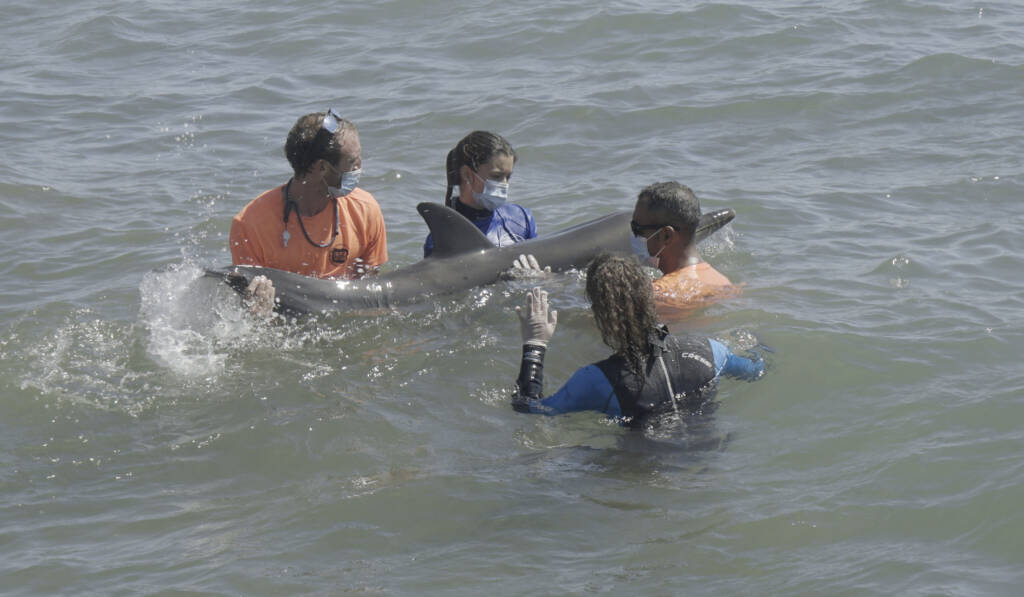
Infectious diseases are one of the main causes of stranding and death in wild marine mammals. Since 2010, the Marine Health project, in collaboration with the Complutense University of Madrid and the VISAVET center, has been dedicated to monitoring, detecting, and quantifying viruses in dolphins stranded in the Valencian Community.
The lack of detailed descriptions of viruses in cetaceans suggests the existence of more unreported viruses, making the detection of symptoms and lesions compatible with viruses crucial for identifying new threats. Improving the specificity and sensitivity of virus detection and quantification techniques is vital to advance the identification and classification of viral pathologies in marine mammals.
Within this line of research, various molecular and serological techniques are used.
-
In vitro immunological studies
This line seeks to develop solutions that promote the sustainable coexistence between human activities and marine preservation. Highlighting the relevance of long-lived animals, such as cetaceans, turtles, sharks, and birds, their role as bioindicators in the marine food chain is recognized. Occupying the top of this chain, these species are highly susceptible to the accumulation of pollutants, including heavy metals and toxins.
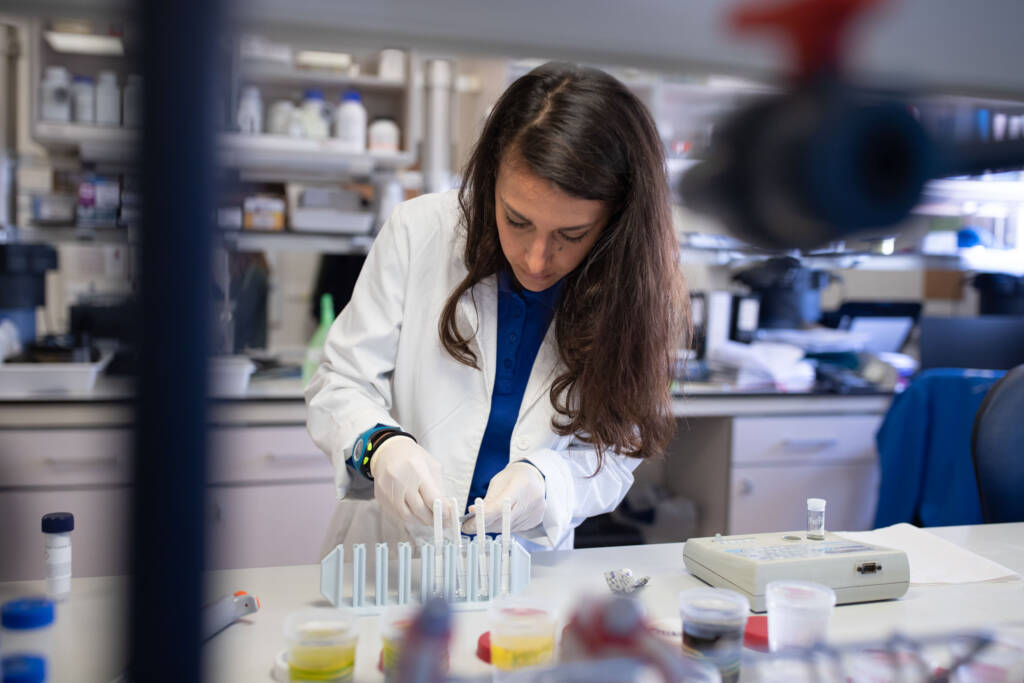
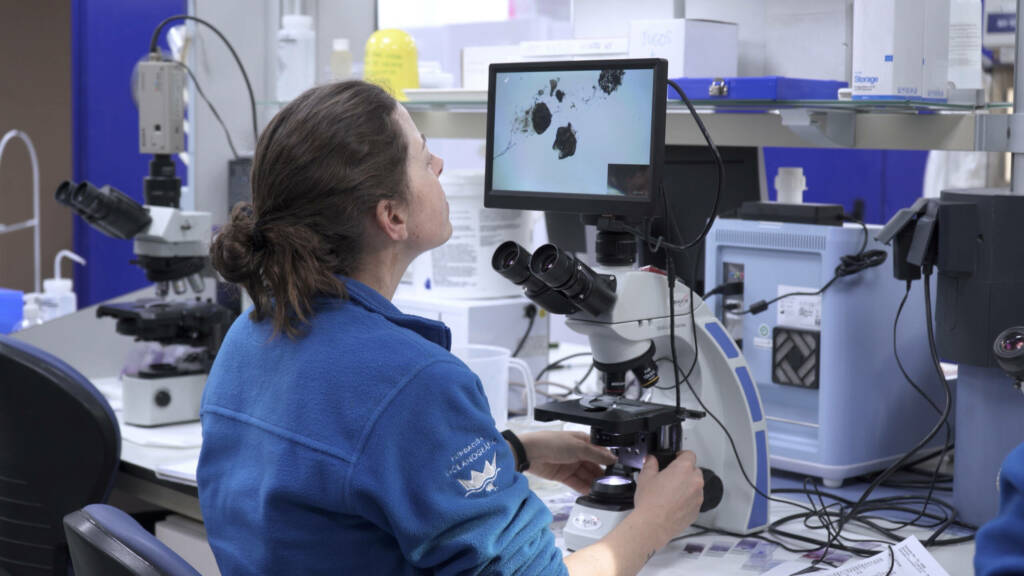
This line of research focuses on evaluating the immunological response of various species to marine pollutants using in vitro laboratory techniques. Using cells from the immune system, functionality is analyzed after exposure to different toxins. This collaboration with the Complutense University of Madrid, VISAVET, and other institutions seeks to understand how marine pollution compromises the immune system of the species studied, providing key information on the impact on the health and response capacity of the animals.

-
Detection of pathogens in water
Para garantizar la salud de los organismos en las aguas de filtración de instalaciones como las del Oceanogràfic, se lleva a cabo una investigación para detectar y prevenir posibles enfermedades. A pesar de las medidas de desinfección aplicadas al agua de los acuarios, los animales de estas instalaciones podrían verse afectados por patógenos que lograsen evadir las barreras de desinfección. Por eso, el Oceanogràfic lleva a cabo una línea de investigación en colaboración con Gamaser para detectar posibles patógenos en el agua de filtración.
Esta línea de estudio, que comenzó focalizándose en microorganismos como Cryptocaryon, ahora se centra en desarrollar técnicas para detectar micobacterias y trematodos. Utilizando análisis moleculares y detección del ADN ambiental en el agua de filtración, se busca identificar patógenos a nivel de especie o género. Estos análisis no solo identifican los patógenos, sino también determinan su nivel de presencia en un volumen de agua específico.
Este enfoque contribuye a mantener un ambiente acuático saludable para los organismos en el Oceanogràfic.


-
Kinetic study of the main therapeutic groups in marine fauna
En la misión de brindar atención veterinaria de alta calidad en acuarios y centros de rehabilitación, se estudia cómo los medicamentos interactúan en animales silvestres. Este estudio, llamado “farmacocinética”, ofrece datos importantes sobre cómo los tratamientos impactan en tiburones, aves, cetáceos y tortugas.
Al entender cómo los medicamentos son metabolizados, podemos mejorar los protocolos de tratamiento, beneficiando así la salud de estos animales. Para ello, la Fundación Oceanogràfic trabaja en colaboración con la Universidad Complutense de Madrid para aplicar este conocimiento en centros zoológicos y fortalecer la gestión veterinaria de la fauna silvestre.


-
Study of the normal fecal microbiome in bottlenose dolphins and evaluation of the efficacy of fecal transplantation
La microbiota en el sistema digestivo juega un papel crucial en el equilibrio fisiológico. Esta diversidad de organismos varía según la alimentación y las necesidades de cada especie, proporcionando información sobre posibles patologías relacionadas con desequilibrios en estas poblaciones.
En colaboración con Fisabio, la investigación se centra en el estudio del microbioma fecal en delfines mulares sanos.
Además, se considera el trasplante fecal, una práctica médica que restaura la flora intestinal normal, para equilibrar el intestino después de algunos trastornos previos. Aunque ya se ha investigado con trasplantes fecales en el Oceanogràfic con resultados positivos, ahora se busca evaluar científicamente cómo estos cambios impactan la salud a nivel del microbioma.


-
Optimization of animal care through accurate health data
La evaluación rutinaria de la salud de los animales ofrece datos biológicos y fisiológicos difíciles de obtener en el medio natural.
Para poder comprender el impacto de las enfermedades es importante establecer parámetros fisiológicos en animales saludables. No obstante, todavía falta información sobre valores de referencia sanguíneos, hematológicos, bioquímicos y de electroforesis de proteínas en fauna marina.
Esta línea de investigación se centra en determinar los rangos de referencia para tiburones, aves y tortugas marinas. Esto ayudará a mejorar el cuidado y bienestar de estas especies en núcleos zoológicos y contribuirá al manejo efectivo de la fauna silvestre. Para ello, trabajamos en colaboración con la Universidad Complutense de Madrid con el fin de obtener datos precisos que permitan evaluar el estado de salud y el bienestar animal.
-
Toxicology in marine fauna
La creciente presencia de contaminantes y tóxicos de origen humano en el medio marino representa un desafío global para la conservación, afectando a todas las capas de la cadena alimentaria y amenazando la salud de la fauna marina y, en última instancia, la humana.
En colaboración con la Universidad de Murcia, la línea de Toxicología en Fauna Marina busca entender la acumulación de tóxicos en tejidos animales y almacenados en nuestro banco de muestras, correlacionándolos con posibles enfermedades.
Other programs Research
Physiology of Marine Vertebrates
Physiology of Marine Vertebrates
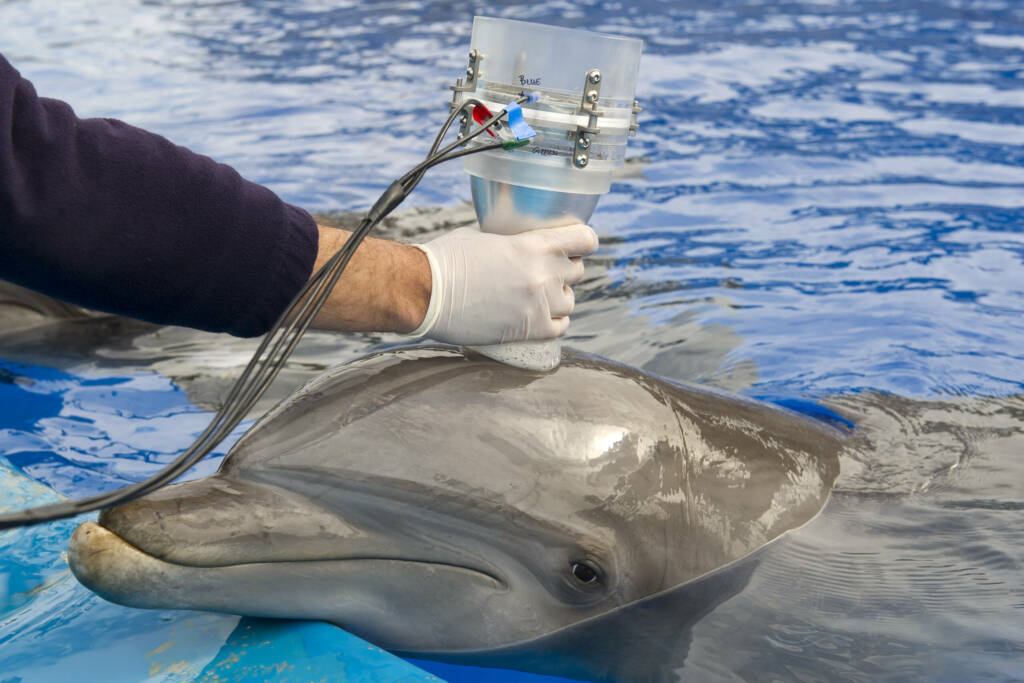
Understand how marine mammals respond to extreme environments and changes in their environment. Crucial information to…
Biodiversity and Society
Biodiversity and Society
Connecting marine biodiversity with society, using the Oceanogràfic of the Ciutat de les Arts i les…
Animal Welfare
Animal Welfare
Understanding the welfare of animals living in controlled environments is the basis of the Oceanogràfic’s and…
Environmental Monitoring and Restoration
Environmental Monitoring and Restoration
Study and monitoring of marine species and habitats that are of interest for conservation This program…